Ayurveda’s First Chapter Explained for Today’s Medical Professionals
The opening chapter of Aṣṭāṅga Saṅgraha is called Āyuṣkāmīya Adhyāya — “the chapter for those who desire a long and meaningful life.”
What is fascinating is that although written thousands of years ago, this chapter reads like a modern manual on preventive medicine, mental wellness, circadian health, and lifestyle science.
Below is a simple, blog-style explanation that connects ancient insights with today’s medical understanding.
1. A Chapter That Begins With the Mind
The text begins with a poetic reminder:
Before we learn the science of the body, we must first look at the state of the mind.
Ayurveda describes emotions like anger, craving, jealousy, and confusion as “poisons” living inside us. Today, we would call them:
- Stress
- Emotional overload
- Cognitive fatigue
- Anxiety
- Burnout
Modern research shows these directly affect immunity, heart disease risk, recovery after surgery, and hormonal balance.
The message is clear: a calm mind is essential for a healthy life.
2. What Is “Life” According to Ayurveda?
Ayurveda’s definition of life is surprisingly modern.
Life is not only biological survival — it is the integrated function of:
- Body
- Senses
- Mind
- Consciousness
- Purpose
This matches the modern biopsychosocial model: health is physical + mental + emotional + social well-being.
3. What Promotes Long, Healthy Life? (Hitam)
The text lists habits that support long life. When translated into modern medical language, these become:
- Eating according to hunger and digestion → metabolic health
- Regular daily routine → circadian alignment
- Adequate sleep → hormonal stability
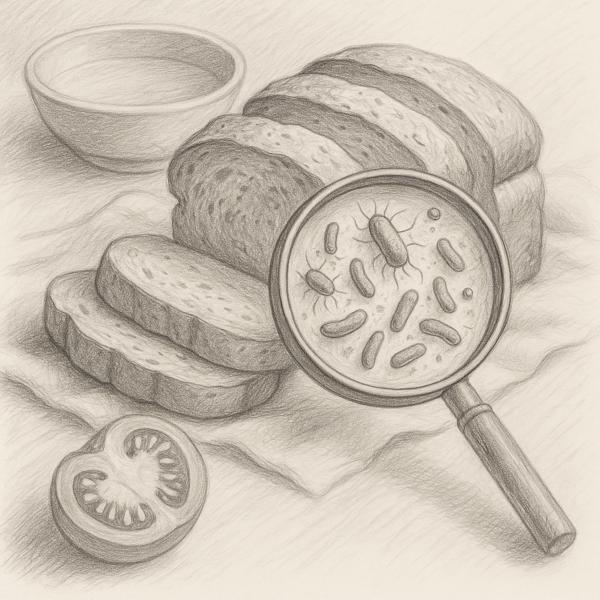
- Clean and fresh food → reduced inflammation
- Mental discipline → better stress response
- Healthy relationships → better emotional support
- Moderation in sexual activity → energy and hormone balance
Most of these principles now form the foundation of lifestyle medicine and preventive health guidelines worldwide.
4. What Harms Health? (Ahitam)
Ayurveda also lists the habits that reduce lifespan — and every single one has a modern scientific equivalent:
- Overeating → obesity, metabolic syndrome
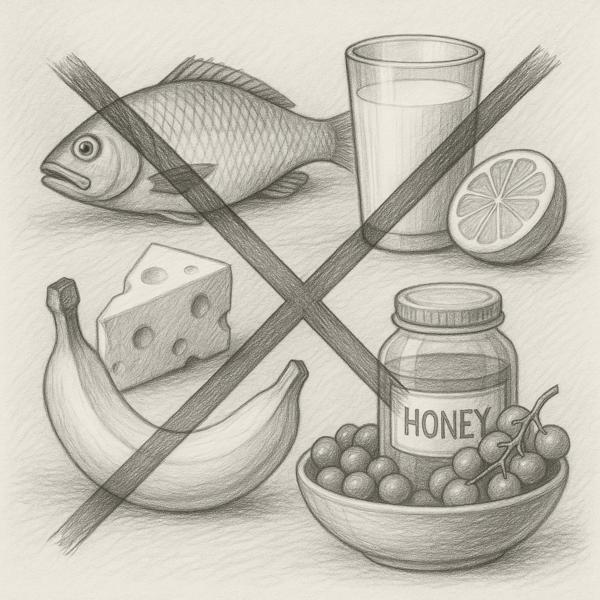
- Junk or incompatible foods → gut inflammation
- Sleep deprivation → cortisol imbalance, hypertension
- Chronic stress → immune suppression
- Addictions → organ damage, cancer risk
- Sedentary behaviour → cardiovascular disease
- Ignoring biological rhythms → circadian disruption
In simple words:
Unhealthy lifestyle is the biggest cause of early disease and early ageing — exactly what modern medicine proves today.
5. Emotional Qualities That Extend Life
The ancient text encourages cultivating personal qualities that directly improve health:
- Calmness
- Patience
- Compassion
- Honesty
- Emotional resilience
- Mindfulness
Today, neurobiology and psychoneuroimmunology confirm that positive emotional states:
- boost immunity
- lower inflammation
- improve recovery
- protect against chronic diseases
- slow ageing
Ayurveda understood this long before modern science.
6. Food, Digestion, and Metabolism
Central to this chapter is the concept of Agni — the digestive & metabolic fire.
Its modern equivalents include:
- metabolic rate
- mitochondrial efficiency
- enzymatic functioning
- gut microbiome health
The chapter emphasizes:
- Eat only when hungry
- Don’t overeat
- Choose fresh food
- Avoid too many mixed or incompatible combinations
- Eat peacefully, not in stress
- Understand your digestive capacity
Modern science supports all of these through research on:
- insulin sensitivity
- post-meal inflammation
- intermittent fasting
- circadian metabolism
- microbiome stability
7. Sleep, Wakefulness & Circadian Health
Ayurveda states:
“Proper sleep is the foundation of health.”
Modern scientific understanding matches it perfectly:
- Sleep regulates immunity
- Sleep deprivation increases cancer and metabolic disorders
- Circadian misalignment derails digestion & hormones
- Deep sleep improves emotional stability and memory
Ayurveda also warns against late nights, irregular sleep, and oversleeping — again consistent with current circadian medicine.
8. Sexual Health & Vitality
Ayurveda advocates moderation and mindfulness in sexual activity.
It notes that excessive sexual indulgence drains energy, while healthy, balanced behaviour supports vitality.
Modern interpretation:
- Excessive sexual activity can contribute to fatigue
- Poor sexual habits affect mental health
- Lack of consent or emotional harmony causes psychological strain
Ayurveda’s view is holistic: sexuality affects the body, mind, and emotional health.
9. Daily Routine (Dinacharya)
The chapter outlines a daily schedule that could easily belong in a modern wellness book:
- Wake up early
- Hydrate and clear bowels
- Exercise
- Bathing and cleanliness
- Mindfulness practices
- Eating meals at regular times
- Finishing dinner early
- Sleeping at a consistent time
This structure aligns with modern research on:
- circadian rhythm optimization
- metabolic windowing
- cognitive recovery
- mood stability
A healthy daily routine is a medical intervention in itself.
10. Seasonal Routine (Ritucharya)
Ayurveda also highlights seasonal variations in diet and lifestyle.
Modern medicine now recognizes:
- seasonal mood disorders
- seasonal immunity changes
- vitamin fluctuations
- heat & cold stress physiology
Ayurveda recommends adjusting meals, clothing, sleep, and behaviour according to seasons — a simple but powerful preventive tool.
Conclusion: A Timeless Manual for Today’s Doctors
The Āyuṣkāmīya Adhyāya is not “old philosophy.”
It is a deeply scientific lifestyle blueprint that aligns perfectly with modern evidence-based medicine.
It teaches that:
- Mental health and clarity are the foundation of well-being.
- Lifestyle habits determine long-term health outcomes.
- Prevention is more important than cure.
- Healthy metabolism, sleep, and emotions protect against disease.
- Daily structure and discipline create longevity.
For today’s medical professionals, this chapter is a reminder that modern medicine and ancient wisdom are not opposites — they are parallel languages describing the same reality.
In simple words:
A long, healthy life is built through everyday choices, not just medications.
Keywords