After discussing the nature of food in Chapter 7, Aṣṭāṅga Saṅgraha moves into one of the most important public-health topics:
How to protect food from contamination, spoilage, and disease.
Chapter 8, Annakṣā-Vidhi, deals with:
- food hygiene
- contamination prevention
- food handling
- food storage
- protection from insects & microbes
- avoiding toxic exposures
- safe cooking practices
- sanitation and environmental safety
In modern medical language, this chapter covers food safety, infection prevention, environmental health, and public-health sanitation.
Ayurveda clearly understood that unsafe food is a major cause of disease — long before microbiology, germ theory, or food-safety regulations existed.
1. Why Food Protection Matters
Ayurveda states:
“Even the best food becomes harmful if contaminated.”
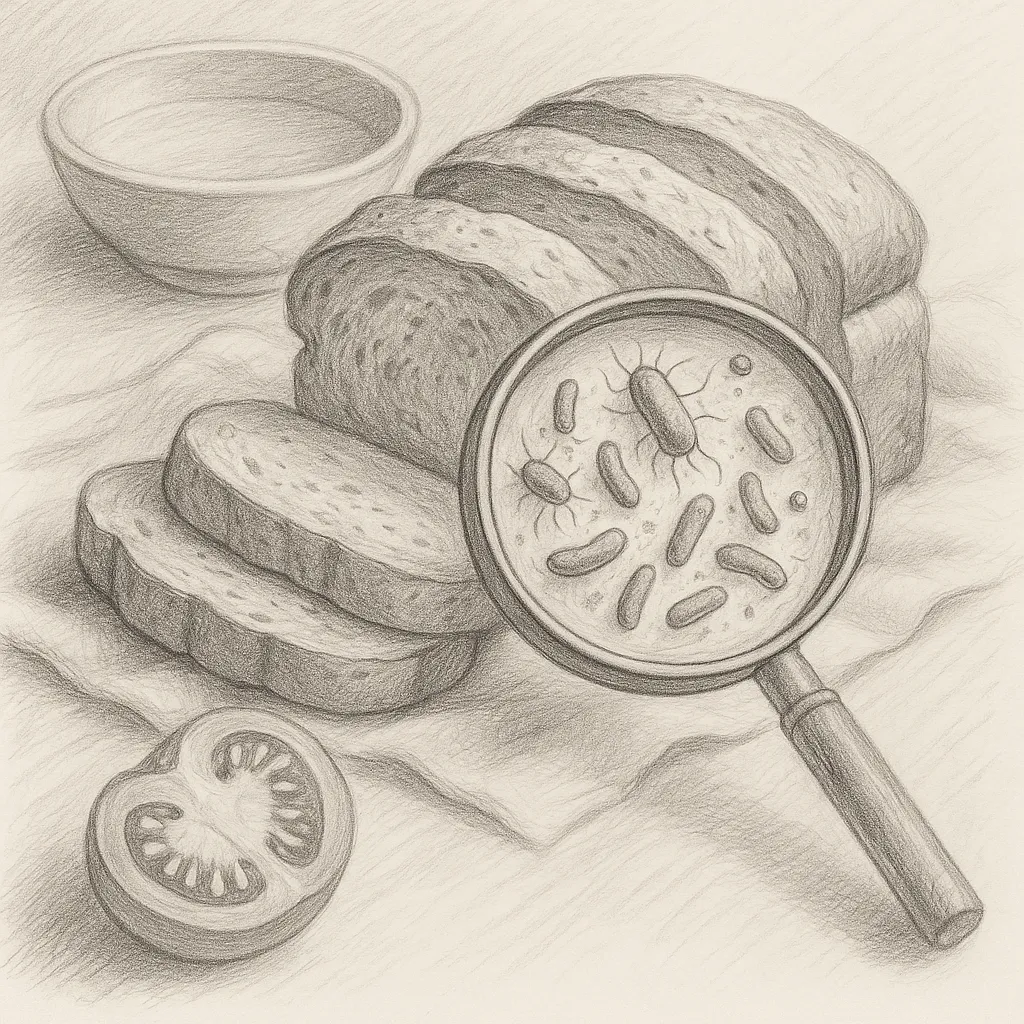
Contaminated food leads to:
- digestive illnesses
- fever
- infections
- allergic reactions
- poisoning
- epidemics
Modern parallels:
- bacterial contamination (E. coli, Salmonella)
- foodborne viruses (Norovirus, Hepatitis A)
- toxins (aflatoxin, pesticides)
- heavy metals
- chemical adulteration
This makes the chapter highly relevant for today’s clinicians.
2. Sources of Food Contamination (Then and Now)
Ayurveda lists multiple sources that can spoil food:
- insects
- rodents
- flies
- worms
- stale environment
- exposure to toxic smoke
- unclean vessels
- dirty hands
- improper storage
- mixing incompatible foods
- polluted air or water
Modern parallels include:
- cross-contamination
- poor hand hygiene
- contaminated water supply
- unclean kitchens
- expired food
- poor refrigeration
- dirty cooking surfaces
- pest infestation
Even today, 70% of GI illnesses globally are food-borne.
3. The Environment Where Food Is Prepared
Ayurveda recommends preparing food in:
- clean surroundings
- well-lit rooms
- ventilated areas
- pest-free kitchens
- smoke-free spaces
- hygienic surfaces
Modern food science agrees:
- clean kitchens reduce bacterial load
- proper ventilation prevents mold
- adequate lighting prevents mistakes & contamination
- pest control is mandatory
Good environment = safe food.
4. Water Quality — A Major Theme of This Chapter
Ayurveda repeatedly emphasizes:
“Water must be pure, clean, and free from impurities.”
Contaminated water can cause:
- diarrhea
- parasitic infections
- fever
- poisoning
- epidemics
Modern public health:
- waterborne diseases cause millions of illnesses
- chlorination, filtering, boiling are essential
- contaminated water is a leading cause of child mortality
Ayurveda’s advice is boil, filter, store properly — identical to modern recommendations.
5. Cooking & Serving Practices
Ayurveda describes multiple measures to keep food safe:
- cook food properly
- avoid raw or undercooked items (except fruits/salads)
- serve hot and fresh
- avoid reheating multiple times
- keep cooked and raw food separate
- use clean vessels
- avoid touching food unnecessarily
Modern parallels:
- WHO’s Five Keys to Safer Food
- FDA food-safety guidelines
- prevention of cross-contamination
- maintaining hot/cold temperature thresholds
Ayurveda’s recommendations are scientifically validated today.
6. Protection From Insects, Dust & Poisonous Substances
Ayurveda gives practical advice:
- keep food covered
- avoid exposure to dust
- protect from flies, ants, rats
- store dry grains properly
- protect from fungal growth
- avoid food with abnormal smell, taste, or color
Modern equivalents:
- food storage laws
- air-tight containers
- refrigeration
- pest prevention
- fungal toxin prevention (aflatoxins)
Ayurveda was essentially doing public-health sanitation long before it existed.
7. Avoiding Adulterated or Inferior Food
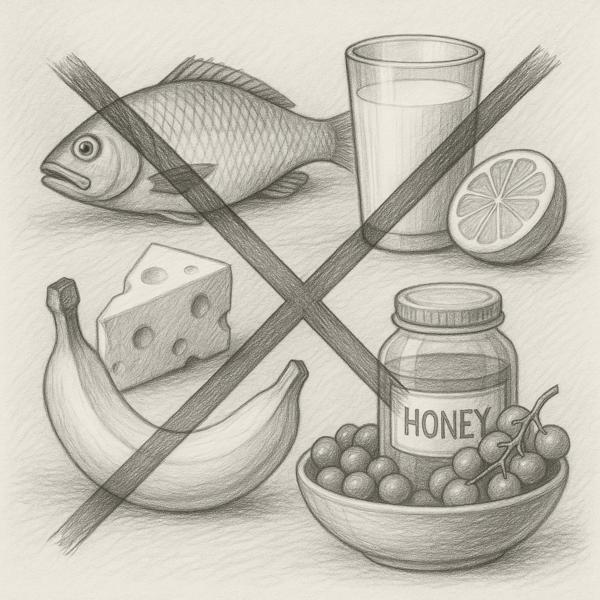
Ayurveda clearly warns against:
- adulterated food
- stale food
- artificially preserved food
- chemically modified items
- impure, low-quality grains
Modern concerns:
- pesticide residues
- artificial preservatives
- chemical additives
- adulterants (milk, spices, oils)
- low-nutrient processed food
This chapter is strikingly modern in its approach.
8. Safe Storage of Food
Ayurveda advises:
- store food in clean containers
- avoid metallic contamination
- keep dry foods moisture-free
- use clean cloth covers
- prevent fungal growth
- avoid keeping food in damp spaces
Modern equivalents:
- airtight containers
- refrigeration
- humidity control
- food-grade plastics/steel
- avoiding rust or metallic leaching
Food safety starts with storage.
9. The Role of the Chef / Cook (Bhojak & Paachak)
Ayurveda even describes the qualities of a person who cooks the food:
- clean body & clean clothes
- clipped nails
- calm, focused mind
- free from illness
- free from anger or negativity
- not intoxicated
- emotionally balanced
Modern interpretation:
- personal hygiene of food handlers
- avoiding cooking while sick
- mental focus to avoid contamination
- no emotional contamination or carelessness
WHO also mandates that food handlers be:
- clean
- healthy
- trained
- attentive
Ayurveda understood this principle deeply.
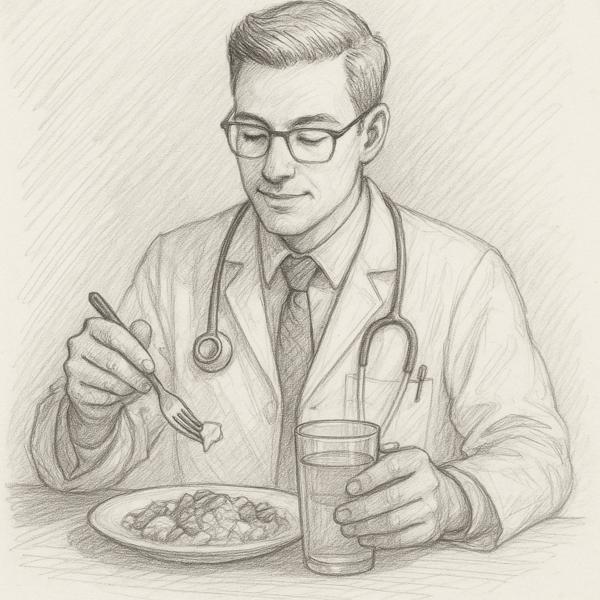
10. Consumption Practices: How to Eat Safely
Ayurveda encourages:
- eating food while it is fresh
- avoiding stale or cold leftovers
- proper handwashing
- clean utensils
- avoiding distractions
- eating in a peaceful state
Modern evidence:
- hand hygiene prevents GI infections
- fresh food has highest nutrient value
- leftovers increase bacterial load
- mindful eating improves digestion
Food safety also includes safe eating behavior.
11. Diseases Caused by Unsafe Food
This chapter links unsafe food with:
- vomiting
- diarrhea
- fever
- parasitic infections
- poisoning
- allergies
- digestive disorders
- joint pain
- skin diseases
Modern parallels:
- food poisoning
- acute gastroenteritis
- parasitic infestations
- toxic exposures
- allergic reactions
- systemic inflammatory responses
Ayurveda’s clinical descriptions match textbook gastroenterology and toxicology.
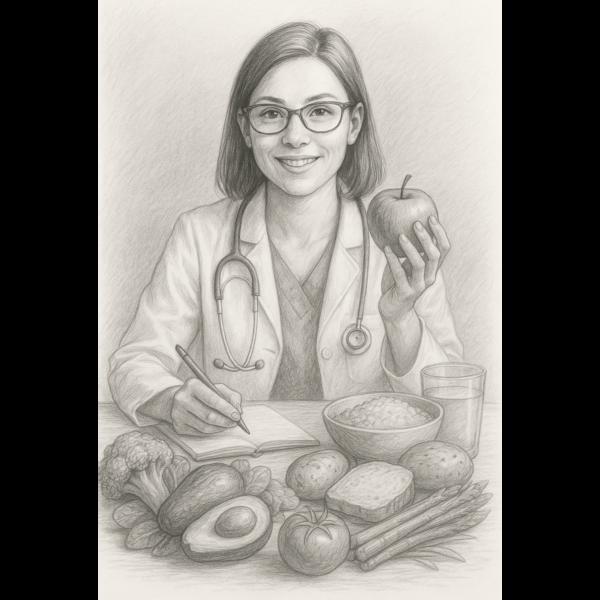
12. Conclusion: Food Hygiene Is Preventive Medicine
Chapter 8 emphasises a powerful truth:
“Safe food is the first step toward safe health.”
It teaches that:
- clean water
- proper cooking
- correct storage
- pest protection
- clean surroundings
- proper handling
- mental purity
- food freshness
are essential to preventing disease.
For today’s doctors, this chapter serves as a reminder that:
“Public health begins in the kitchen. Clean food saves more lives than most drugs.”
Ayurveda’s food-safety guidelines remain scientifically relevant, practical, and life-saving — even in the modern world.
Keywords