After understanding what to eat (Ch. 7), how to protect food (Ch. 8), and which combinations to avoid (Ch. 9), Chapter 10 of Aṣṭāṅga Saṅgraha explains something even more important:
How to eat and drink correctly so the body digests, absorbs, and benefits from the food.
In modern terms, this chapter is Ayurveda’s guide to:
- mindful eating
- meal timing
- digestive physiology
- hydration science
- portion control
- gastroenterology fundamentals
This is clinical nutrition + behavioural medicine + gut science presented in an extremely practical way.
1. The Purpose of This Chapter
Ayurveda teaches that even healthy food becomes harmful if eaten:
- at the wrong time
- in the wrong quantity
- in the wrong mental state
- in the wrong manner
This chapter explains the optimal way to consume:
- Anna → solid foods
- Pāna → liquids
Modern medicine agrees:
How we eat is as important as what we eat.
2. The Ideal State of Mind While Eating
Ayurveda says food should be consumed:
- with calm mind
- in a peaceful space
- without arguments
- without distraction
- with gratitude
- with attention
Modern parallels:
- mindful eating
- parasympathetic activation
- improved digestion
- better nutrient absorption
- prevention of overeating
Eating in stress activates cortisol → poor digestion → poor metabolism.
3. The Right Time to Eat
Ayurveda emphasizes:
- eat when genuinely hungry
- maintain regular meal timings
- avoid skipping meals
- lunch should be the heaviest meal
- dinner should be light and early
Modern relevance:
- circadian biology
- insulin sensitivity highest at day, lowest at night
- late-night eating causes diabetes, GERD, obesity
Ayurveda aligns perfectly with metabolic science.
4. The Right Quantity of Food
The chapter prescribes:
- eat until ½ stomach with food
- ¼ with water
- leave ¼ empty for air and digestion
- stop before feeling heavy
Modern equivalents:
- portion control
- anti-obesity principles
- avoiding post-meal fatigue
- maintaining gastric capacity
Eating correctly prevents digestive overload.
5. Sequence of Eating (Order Matters)
Ayurveda describes the RIGHT order:
- eat warm, freshly prepared food
- start with something light or mildly spicy
- then consume main meal
- drink small sips of warm water during meal
- avoid cold drinks with food
Modern physiology:
- warm food activates enzymes
- small sips prevent gastric dilution
- cold drinks slow digestion
- balanced sequencing supports satiety hormones
6. Proper Hydration Rules (Pāna Vidhi)
Ayurveda teaches:
- drink only when thirsty, not forcefully
- avoid drinking large quantities during meals
- sip warm water with food
- avoid cold water, especially after heavy meals
- do not drink water immediately after honey or ghee
- avoid drinking huge amounts just before sleeping
Modern evidence:
- too much water during meals dilutes gastric enzymes
- warm water improves motility
- cold water slows digestion
- hydration timing influences metabolism
- adequate water prevents constipation
This chapter is gastroenterology’s behavioural science.
7. Qualities of Ideal Food
Food should be:
- freshly prepared
- warm
- unctuous
- easy to digest
- appropriate for the season
- appropriate for the individual’s constitution
- consumed quietly
Modern view:
- avoid stale & reheated food
- avoid processed food
- prefer nutrient-dense, freshly cooked meals
- personalized nutrition approach
Ayurveda was practicing individualized diet science long before it became modern.
8. Foods to Avoid While Eating
The text warns against:
- excessive oily food
- too much dry food
- very heavy meals
- over-spiced dishes
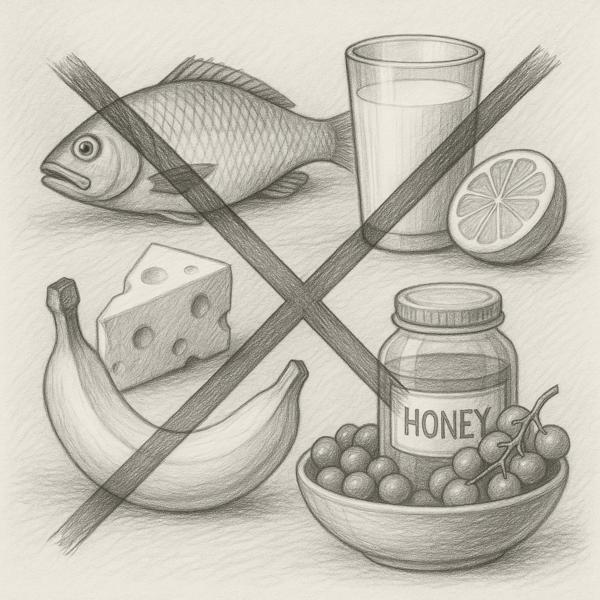
- incompatible combinations
- too much liquid food
- eating when not hungry
Modern parallels:
- foods causing inflammation
- overeating → indigestion → GERD
- metabolic overload
- post-meal glucose spikes
- poor enzymatic activity
Avoiding extremes preserves gut balance.
9. Eating Speed: Not Too Fast, Not Too Slow
Ayurveda recommends:
- don’t rush meals
- don’t drag meals too long
- eat at a moderate pace
Modern equivalents:
- fast eaters → obesity risk
- slow distracted eating → overeating
- moderate pace → optimal satiety regulation
Eating speed affects satiety hormones (leptin, ghrelin).
10. Post-Meal Recommendations
After eating:
- sit calmly for a few minutes
- take a short slow walk (100 steps)
- avoid lying down
- avoid intense activity
- avoid immediate mental work
Modern parallels:
- walking improves glucose uptake
- prevents post-meal spikes
- prevents reflux
- improves digestive motility
Ayurveda’s advice remarkably matches metabolic science.
11. The Impact of Wrong Eating Practices
This chapter lists diseases caused by wrong eating:
- indigestion
- bloating
- acidity
- diarrhea
- constipation
- skin disorders
- metabolic diseases
- weight gain
- fatigue
- inflammation
Modern parallels:
- IBS
- SIBO
- GERD
- metabolic syndrome
- chronic inflammatory disorders
Eating wrongly → disease pathway begins.
12. Conclusion: Annapāna Vidhi = Healthy Eating Protocol for Life
The Annapāna Vidhi Adhyāya is a masterpiece of clinical nutrition, describing guidelines that:
- support metabolism
- enhance digestion
- protect gut microbiome
- prevent chronic disease
- improve mental clarity
- maintain energy levels
- promote longevity
For modern doctors, it confirms that:
“The right way to eat is itself a medicine.”
Ayurveda understood digestive science, gut health, circadian nutrition, and behavioural eating centuries before modern medicine.
Keywords