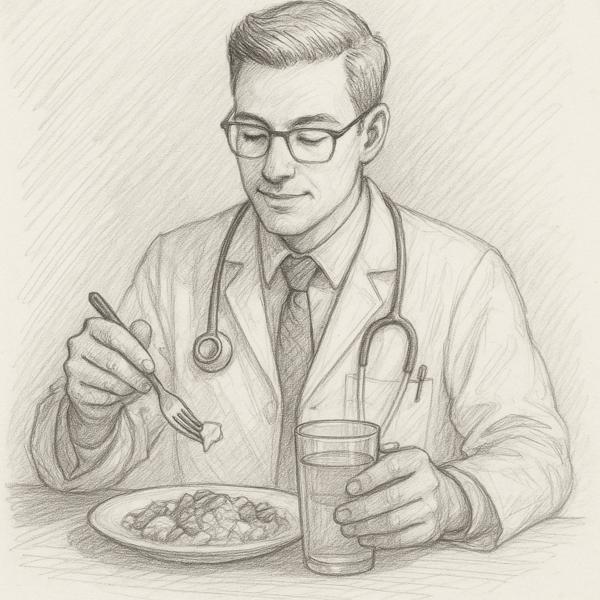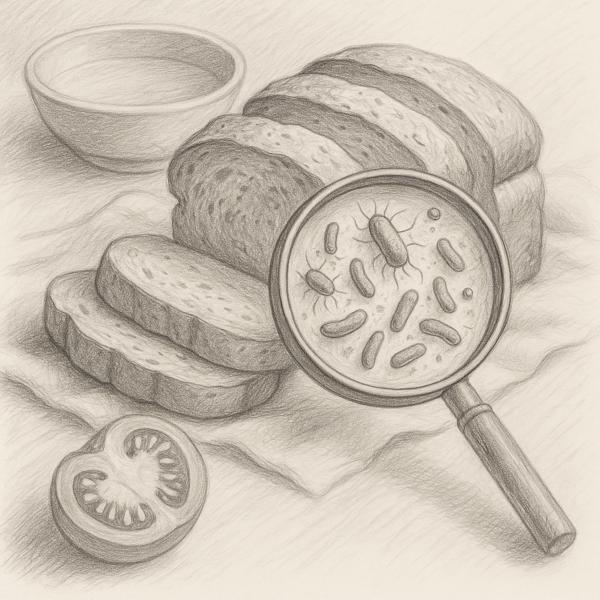

After explaining fluids in the previous chapter, Aṣṭāṅga Saṅgraha now turns to the true foundation of health — FOOD.
Chapter 7, Annasvarūpa Vijñānīya, explains:
✔ What food really is
✔ How it nourishes the body
✔ Which foods strengthen or disturb health
✔ Why digestion matters as much as nutrition
✔ How food affects the mind, immunity, and longevity
In modern medical terms, this chapter covers:
- nutrition science
- gut physiology
- metabolic health
- nutrigenomics
- food psychology
- lifestyle medicine
Ayurveda’s view of food is remarkably scientific and comprehensive.
1. Food is the Primary Source of Life
Ayurveda states:
**“Food is the foremost medicine.
Without proper food, no tissue can be formed and no healing can happen.”**
This perfectly aligns with modern understanding:
- nutrition affects gene expression
- diet influences immunity
- food regulates hormones
- diet determines gut microbiome
- nutrition is central to chronic disease prevention
Ayurveda saw food as the building block of health, not just calories.
2. What Is “Anna” in Ayurveda?
“Anna” means much more than solid food.
It includes:
- solids
- liquids
- grains
- vegetables
- fruits
- milk products
- fats
- meat
- plant-based foods
- water
- medicinal preparations
- everything consumed for nourishment
Ayurveda classifies food by:
- taste (rasa)
- potency (vīrya)
- post-digestive effect (vipāka)
- effect on mind
- tissue-nourishing ability
- digestibility
This is essentially Ayurveda’s nutritional biochemistry.
3. The Six Tastes (Rasa) – Ayurveda’s Nutritional Code
Ayurveda identifies six fundamental tastes, each with specific physiological effects:
- Sweet – builds tissues, increases strength
- Sour – stimulates digestion
- Salty – improves taste & electrolyte balance
- Bitter – detoxifies, reduces appetite
- Pungent – stimulates metabolism
- Astringent – tightens tissues, reduces secretions
Modern parallels:
- sweet = carbohydrates, proteins
- sour = fermentation, acidic foods
- salty = electrolytes
- bitter = antioxidants, phytochemicals
- pungent = metabolic boosters
- astringent = tannins, drying agents
Ayurveda uses tastes to predict biological effects — a remarkably advanced concept.
4. Food Qualities (Guṇa) and Their Effects
Food is described using qualities such as:
- heavy / light
- dry / unctuous
- cold / hot
- stable / unstable
These directly affect:
- digestion
- metabolism
- inflammation
- Vāta–Pitta–Kapha balance
Modern nutrition sees similar properties:
- glycemic load
- lipid profile
- inflammatory index
- nutrient density
Ayurveda’s classification is simple yet clinically powerful.
5. Digestive Strength (Agni) Is More Important Than the Food Itself
A key teaching in this chapter:
**“Food is not what you eat —
Food is what you digest, absorb, and assimilate.”**
If Agni (digestion) is weak:
- even healthy food creates toxins
- bloating, acidity, fatigue occur
- immunity drops
- chronic disease begins
Modern parallels:
- malabsorption
- dysbiosis
- slow metabolism
- leaky gut
- systemic inflammation
Ayurveda emphasizes gut integrity and digestive fire long before the term “gut microbiome” existed.
6. The Psychological Impact of Food
Ayurveda teaches that food affects the mind:
- fresh, clean food → calmness, clarity
- stale, processed food → laziness, mood instability
- excessively spicy, sour food → irritability, restlessness
Modern understanding:
- gut–brain axis
- neurotransmitter production (serotonin, GABA)
- inflammatory cytokines affecting mood
- blood sugar instability → anxiety, irritability
Food shapes mental health, not just physical health.
7. Ideal Foods According to Ayurveda
The chapter explains foods that naturally support life:
Strength-Building Foods
- milk and ghee
- whole grains
- moong dal
- nuts
- meat soups (in indicated individuals)
- well-cooked rice
- warm, fresh meals
Light & Easily Digestible Foods
- porridge
- vegetable soups
- fruits like pomegranate
- steamed vegetables
Foods That Improve Metabolism
- ginger
- black pepper
- cumin
- honey (never heated)
Hydrating Foods
- water-rich fruits
- buttermilk
- warm water
- cooling vegetables
These recommendations match modern guidelines:
- nutrient-dense whole foods
- healthy fats
- spices with anti-inflammatory properties
- adequate hydration
8. Foods That Disturb Health
Ayurveda identifies problematic food categories:
- stale, reheated food
- processed, packaged items
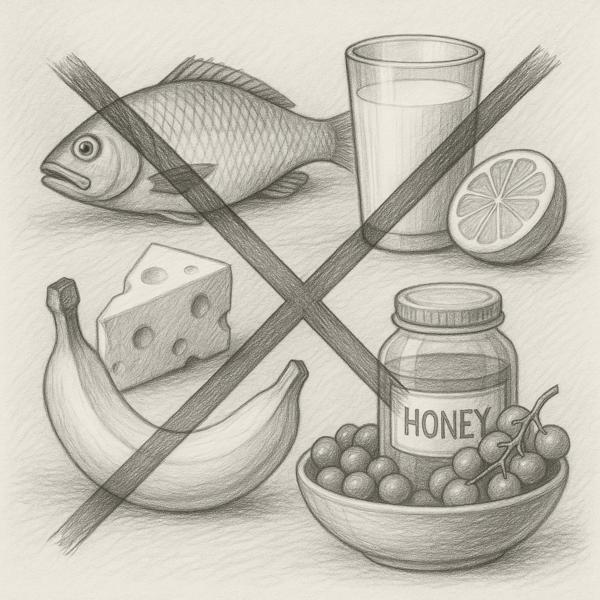
- incompatible combinations (milk + fish, fruits + dairy)
- deep-fried heavy foods
- excess meat
- cold, leftover meals
- adulterated foods
- overeating at night
- alcohol in excess
Modern science agrees:
- oxidized oils & reheated fats → inflammation
- processed food → metabolic syndrome
- incompatible combinations → indigestion + microbiome imbalance
- late-night eating → insulin resistance
- alcohol → liver & GI toxicity
Ayurveda’s warnings perfectly match current biomedical evidence.
9. Quantity of Food (Mātrā)
According to this chapter:
- eat until the stomach is ½ food + ¼ water + ¼ empty
- adjust quantity based on hunger
- digestion should feel light and comfortable
Modern implications:
- avoid overeating
- portion control
- energy balance
- mindful eating
- preventing post-meal sluggishness
10. Time of Eating
Ayurveda recommends:
- regular meal timings
- lunch as the biggest meal
- early, light dinner
Modern science:
- circadian eating
- daytime metabolism is stronger
- late meals → diabetes risk, reflux, poor sleep
Again, Ayurveda aligns with chronobiology.
11. Eating State (Bhāvanā)
Ayurveda emphasizes:
- calm mind
- proper posture
- peaceful environment
- focus on food
- avoiding screens and arguments
Modern parallels:
- mindful eating
- parasympathetic dominance
- better digestion
- reduced overeating
- improved nutrient absorption
Your mental state while eating determines the effect of the food.
12. Conclusion: Ayurveda’s Nutrition Science Is Timeless
The Annasvarūpa Vijñānīya Adhyāya beautifully integrates:
- gut physiology
- nutritional science
- metabolism
- psychology
- lifestyle
- chronobiology
It teaches that:
- food is the foundation of health
- digestion defines nourishment
- mental state affects metabolism
- quality matters more than quantity
- seasonal and personal differences matter
- wrong food is the root of disease
For modern doctors, this chapter reminds us that
“The right food, in the right amount, at the right time, in the right state of mind —
is true preventive medicine.'
Keywords