After explaining food (Chapter 7) and food safety (Chapter 8), Aṣṭāṅga Saṅgraha now moves into one of the most clinically powerful concepts:
Viruddhānn – Foods that are incompatible, harmful, or biologically contradictory.
In simple words, this chapter explains:
- which food combinations damage digestion
- why certain foods together become toxic
- how wrong mixing creates inflammation
- how incompatible foods lead to chronic disease
Modern medicine is now proving what Ayurveda said long ago—
certain foods + certain foods = metabolic chaos.
1. What Is Viruddhānn?
Viruddhānn means:
“Foods that become harmful when mixed, processed, or consumed together.”
Even if each food alone is healthy, together they can:
- disturb digestion
- weaken metabolism
- produce toxins (Āma)
- cause allergies
- inflame tissues
- trigger metabolic disease
Modern parallels:
- incompatible foods disrupt gut microbiome
- fermentation + putrefaction in gut
- inflammatory cytokine spikes
- histamine release
- abnormal fermentation
- metabolic overload
Ayurveda identified food synergy & antagonism thousands of years ago.
2. Types of Incompatible Foods
Ayurveda classifies Viruddha Ahāra into multiple scientifically relevant categories.
A. Combination Incompatibility
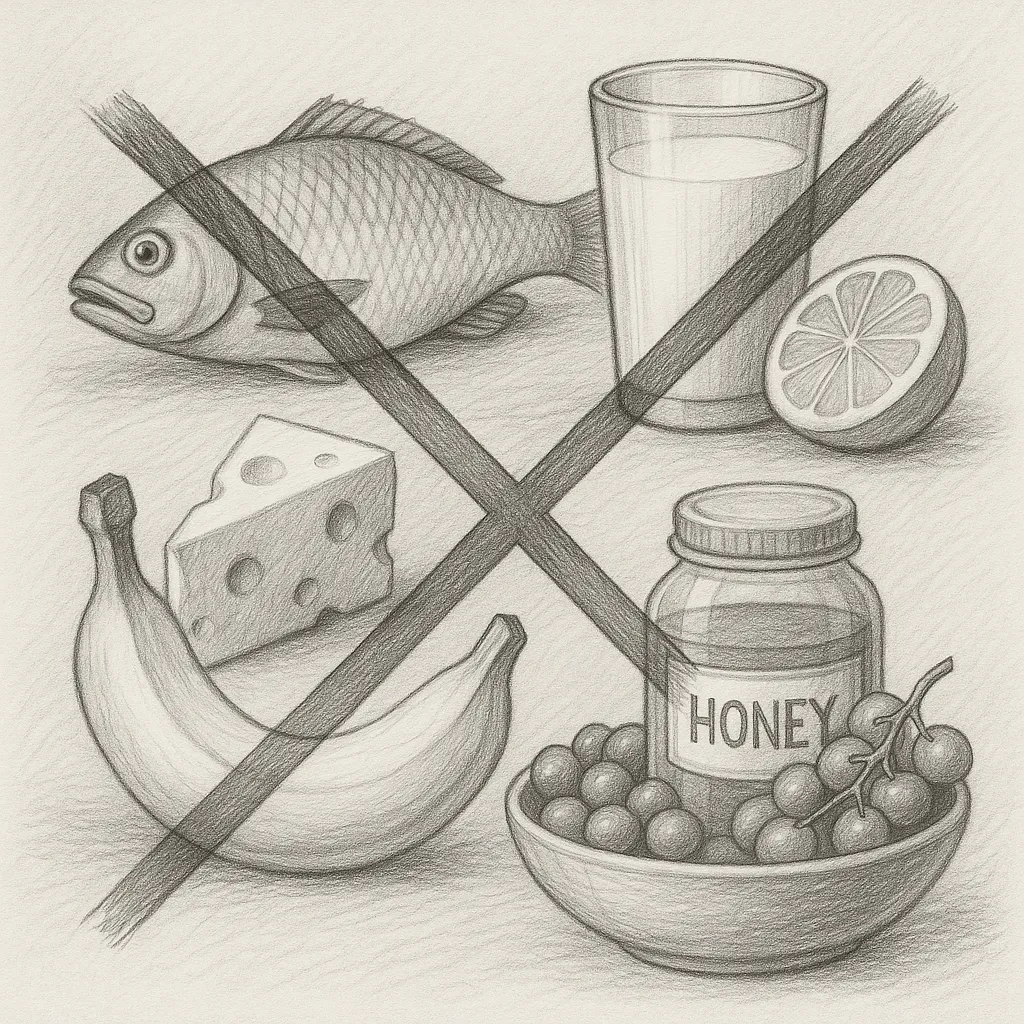
Two foods that should NEVER be taken together:
- milk + fish
- milk + sour fruits
- milk + salt
- ghee + honey (equal quantity)
- yogurt + fruit
- yogurt + milk
- banana + milk
- lemon + milk
- radish + milk
- hot water + honey
Modern parallels:
- protein + citrus causes curdling
- dairy + acidic fruit → fermentation
- banana + milk increases mucus
- equal honey–ghee ratio releases toxic byproducts
- yogurt + fruit alters gut pH abruptly
- milk + fish causes histamine reactions
Science now validates these ancient warnings.
B. Processing Incompatibility
Foods that become harmful after cooking or reheating:
- reheating oils
- reheating meats
- storing cooked rice for long
- heating honey
- burning ghee
Modern evidence:
- reheated oils → trans fats
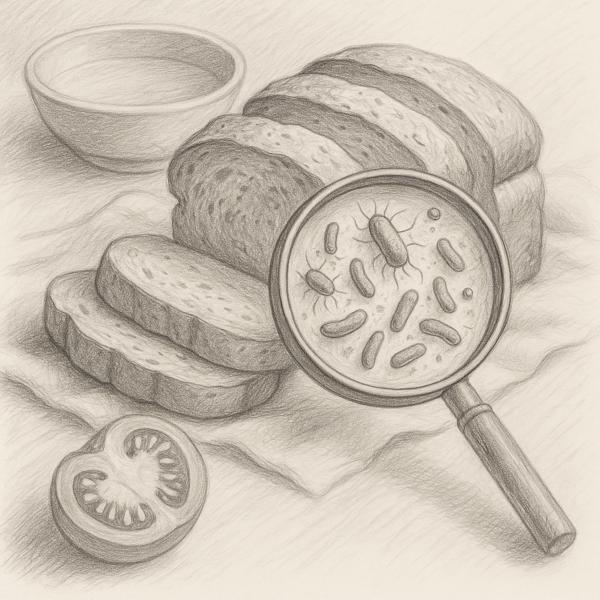
- reheated rice → Bacillus cereus toxin
- heated honey → hydroxymethylfurfural (HMF) toxin
- charred fats → carcinogens
- fried food → acrylamide formation
Ayurveda was centuries ahead.
C. Quantity Incompatibility
Right food, wrong amount:
- too much heavy food
- too much oily food
- too much salty food
- overeating proteins
- eating large meals at night
Modern parallels:
- calorie overload
- fatty liver
- metabolic syndrome
- sodium toxicity
- nighttime eating = insulin resistance
D. Timing Incompatibility
Wrong time, even if food is good:
- eating heavy meals late night
- eating cold foods in winter
- taking fruits after meals
- milk with meals instead of alone
Modern relevance:
- circadian metabolism disrupted
- late-night glucose spikes
- fruit fermentation after meals
- digestion slows at night
E. Digestive Strength Incompatibility
Food that is difficult to digest when Agni is low:
- meat when digestion is weak
- heavy fried foods on sluggish days
- cold drinks with meals
Modern view:
- compromised gut motility
- weak enzyme secretion
- post-meal bloating, reflux
F. Seasonal Incompatibility
Some foods are healthy in one season but harmful in another:
- curd in spring
- too much cold food in winter
- high-sugar fruits in monsoon
Modern medicinal relevance:
- seasonal allergies
- seasonal digestive changee
- humidity altering gut flora
3. Effects of Incompatible Food
Ayurveda describes clear symptoms caused by Viruddhānn:
- bloating
- indigestion
- skin diseases
- rashes
- inflammation
- headaches
- fatigue
- acidity
- joint pains
- hormonal imbalance
- chronic digestive disorders
Modern equivalents:
- IBS
- SIBO
- inflammatory skin conditions
- metabolic syndrome
- food intolerances
- leaky gut
- chronic inflammation
Viruddhānn → systemic toxicity → chronic disease.
4. Why Incompatible Foods Harm the Body
The chapter explains that Viruddhānn:
- blocks digestion
- alters intestinal pH
- produces toxic metabolites
- disturbs gut bacteria
- increases inflammation
- impacts immunity
- triggers premature aging
Modern explanations match perfectly:
- incompatible foods = gut imbalance
- microbiome dysbiosis → inflammation
- metabolic overload → oxidative stress
- toxic byproducts → tissue damage
Ayurveda observed clinical outcomes we now explain biochemically.
5. Who Is Most Affected?
Viruddhānn especially harms:
- children
- elderly
- pregnant women
- people with weak digestion
- people with chronic diseases
- those with autoimmune tendencies
Modern medicine agrees:
- weaker immunity → more sensitive
- altered gut → higher intolerance
- children → neutralizing enzymes still developing
- elderly → reduced metabolism
6. How to Avoid Viruddhānn (Practical Guide)
Ayurveda recommends:
- eat simple combinations
- avoid milk with salty or sour foods
- avoid fruits with dairy
- take honey only unheated
- avoid reheated oils
- avoid combining meat + dairy
- eat fresh food
- avoid heavy meals at night
- maintain food compatibility and timing
- follow seasonal diet rules
These recommendations align with:
- nutrition science
- food safety
- gastroenterology
- microbiome health
7. When Viruddhānn Is Consumed Accidentally
Ayurveda suggests remedies:
- fasting
- warm water
- ginger, black pepper
- digestive stimulants
- herbal detox
- light meals the next day
Modern equivalents:
- light fasting
- hydration
- probiotics
- digestive enzymes
- avoiding further heavy meals
8. Long-Term Impact
Ayurveda warns that chronic consumption of Viruddhānn leads to:
- chronic inflammation
- metabolic disease
- autoimmune issues
- skin disorders
- mental dullness
- weakened immunity
- reproductive issues
Modern parallels:
- pro-inflammatory diet → disease-driven aging
- gut dysbiosis → immune activation
- chronic toxicity → hormonal imbalance
The ancient and modern sciences converge strongly here.
Conclusion: This Chapter Is a Complete Manual of Dietary Compatibility
The Viruddhānn Vijñānīya Adhyāya teaches a powerful truth:
**Healthy food becomes harmful when combined wrongly.
Compatibility matters as much as quality.**
For modern doctors, this chapter highlights:
- the importance of food synergy
- gut health as central to immunity
- avoiding dietary contradictions
- reducing inflammation through mindful eating
- preventing chronic disease through correct combinations
In simple words:
“Eat the right food, in the right way, with the right combinations.”
This chapter is a timeless guide for clinicians, nutritionists, gastroenterologists, and anyone practising lifestyle medicine.
Keywords