Healing does not end when a wound closes. In fact, the most important phase begins after the wound has healed. This phase is called after-care and long-term recovery.
Acharya Sushruta understood that without proper care, a healed wound can reopen, leave thick scars, or give long-term complications. Therefore, he described special methods to protect healed tissue, strengthen the body, and prevent future problems.
These principles are still followed in modern hospitals today.
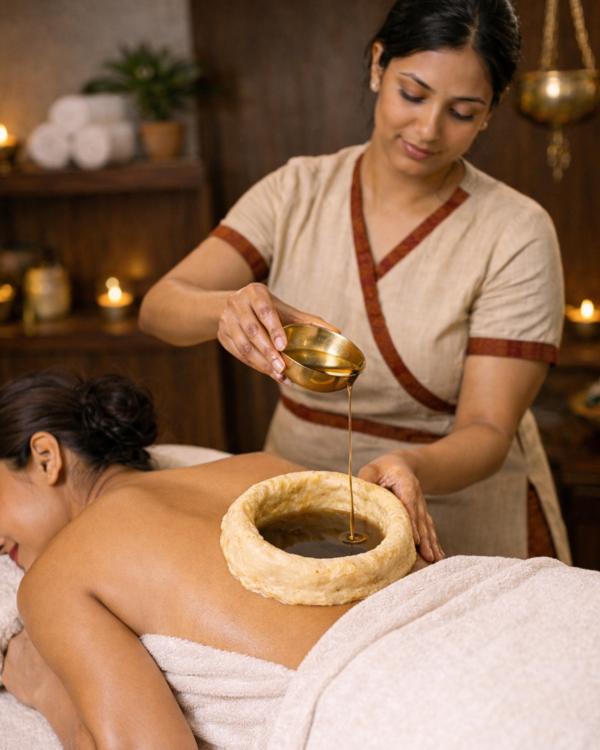
Rasayana – Rejuvenation Therapy
Rasayana means rejuvenating and strengthening the inner body.
It helps by:
- Improving immunity
- Strengthening tissues
- Preventing recurrence of disease
Modern example:
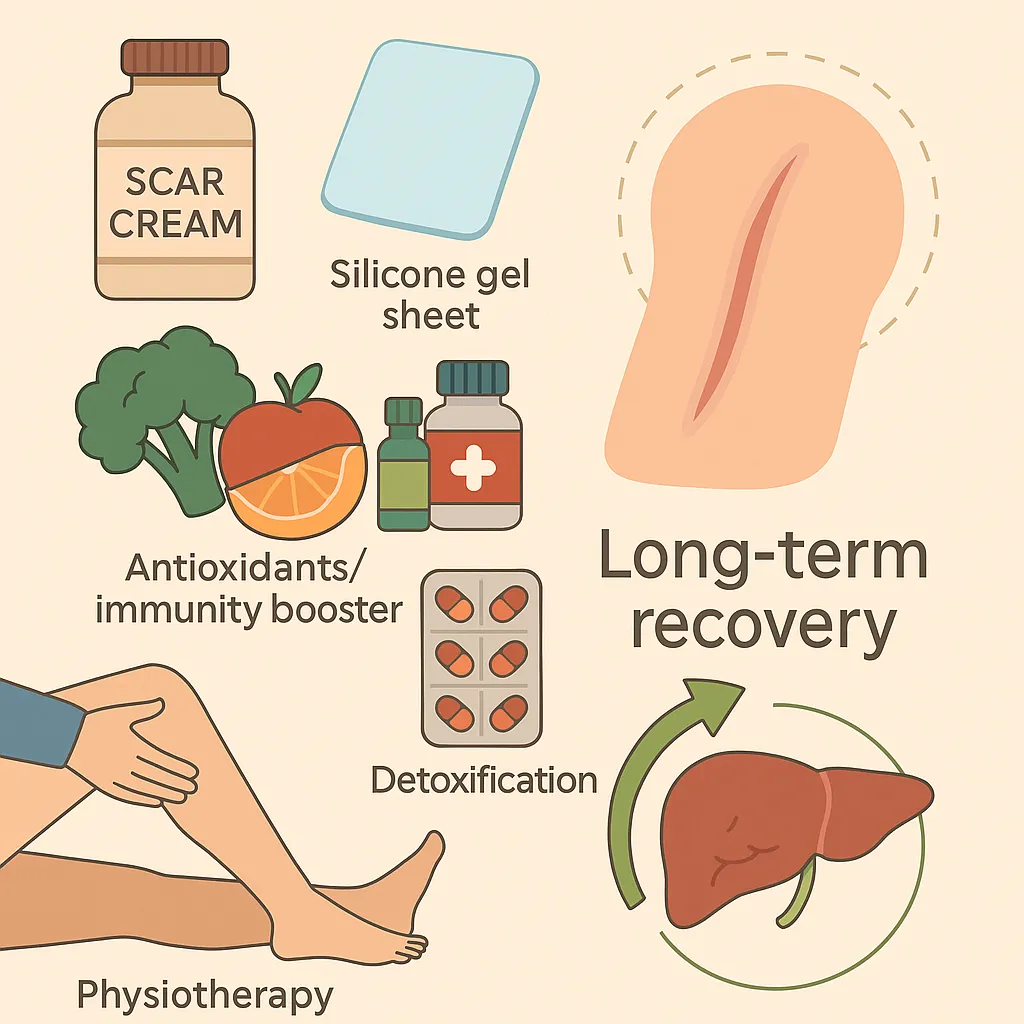
Use of antioxidants, immunity boosters, multivitamins, and wellness therapies.
Vajikarana – Strength and Vitality Therapy
Vajikarana focuses on restoring strength and energy after illness.
It is useful when:
- The body has become weak after surgery
- Fatigue is persistent
- Muscles feel tired
Modern equivalent:
Post-operative nutritional supplements and physiotherapy.
Samrakshana – Protection of Healed Area
Samrakshana means protecting the healed wound from re-injury.
This is achieved by:
- Covering the scar
- Avoiding pressure over healed areas
- Maintaining cleanliness
Modern practice:
Scar creams, silicone gel sheets, and wound-protective dressings.
Punarnavikarana – Tissue Regeneration
This therapy focuses on regenerating and renewing tissues.
It helps in:
- Improving skin texture
- Strengthening muscle layers
- Preventing tissue weakness
Modern science comparison:
Regenerative medicine, stem-cell research, and tissue therapy.
Upadrava Chikitsa – Management of Complications
Sometimes, healing may have complications like:
- Infection
- Swelling
- Painful scars
Upadrava Chikitsa means timely management of such complications.
Modern parallel:
Early treatment of wound infection, abscess, or scar complications.
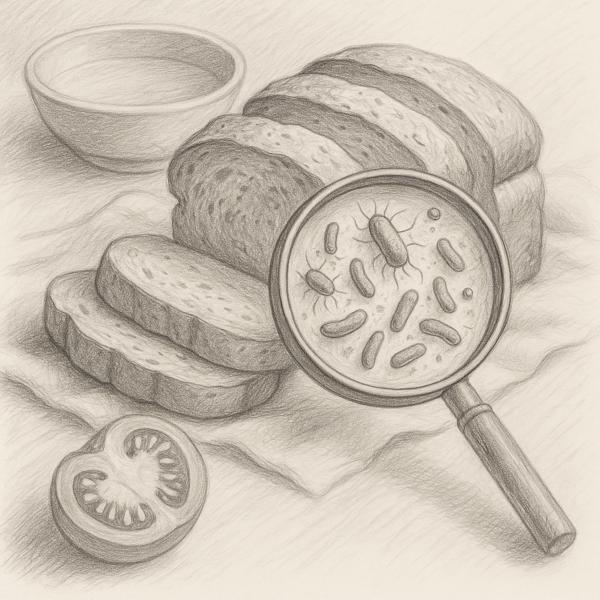
Durgandha Nashana – Removal of Foul Odor
Bad smell from wounds can indicate infection or tissue death.
Ancient methods used herbs and fumigation to remove foul smell.
Modern solution:
Use of deodorizing dressings and antimicrobial wound pads.
Margashodhana – Cleansing of Internal Body Channels
This process ensures proper:
- Circulation
- Lymphatic drainage
- Waste removal
Modern connection:
Detoxification methods and physiotherapy that improve circulation.
Prakopa Nashana – Preventing Recurrence of Disease
Ensures:
- Dosha balance (Ayurvedic concept)
- Stable immunity
- Prevention of wound reopening
Modern relevance:
Use of anti-inflammatory and preventive therapy post recovery.
Apatarpana – Reducing Excess Discharge
Used when:
- Fluid oozes from wounds
- There is swelling or exudate
Modern equivalent:
Use of absorbent dressings and compression therapy.
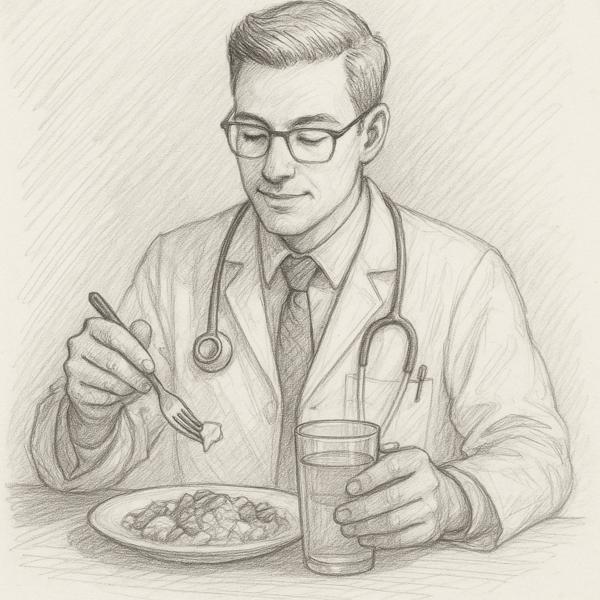
Yavagu – Light Diet During Recovery
Yavagu refers to light, digestible food during recovery.
Benefits:
- Reduces bloating
- Improves digestion
- Supports immunity
Modern example:
Soft diets, liquid diets, and nutrition support.
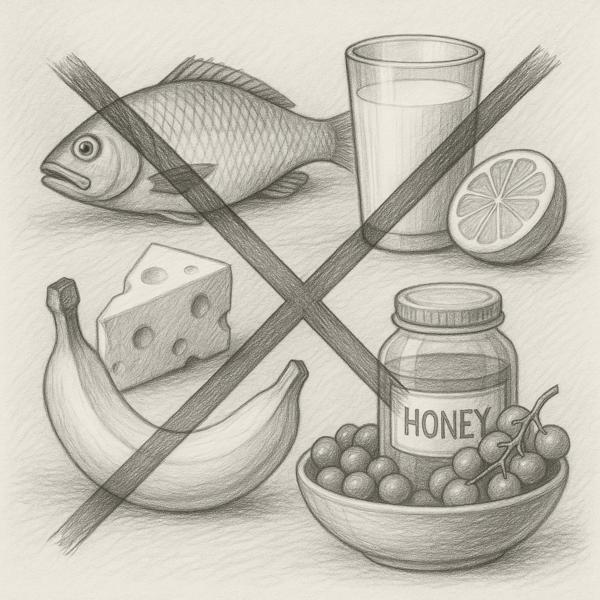
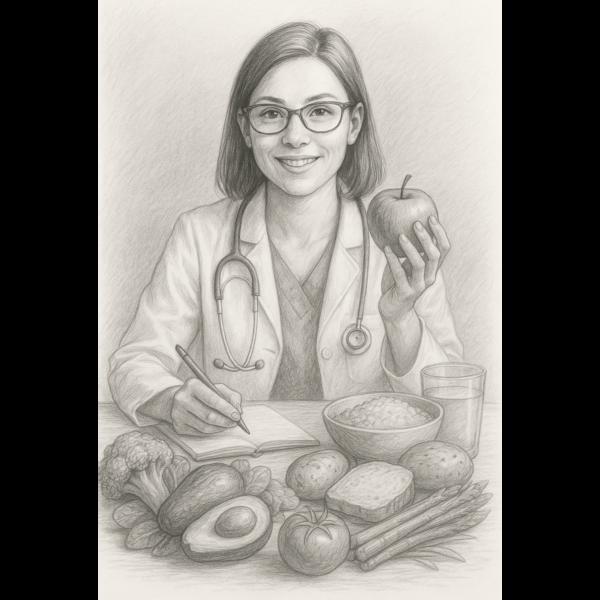
Pathya Ahara – Long-Term Healthy Diet
Focuses on:
- Balanced meals
- Adequate protein
- Fresh vegetables
Modern science supports:
Nutrition-guided recovery plans after surgery.
Why This Phase Is So Important
Even today, doctors strongly advise:
✅ Regular follow-ups
✅ Scar care
✅ Rehabilitation
✅ Lifestyle changes
These are exactly the principles described by Sushruta.
Shasti Upakrama teaches us that true healing means complete recovery, not just wound closure. The ancient system ensured that patients returned to their normal life stronger and healthier.
Keywords