The Significance of Mārgashīrṣa Month in Ayurveda
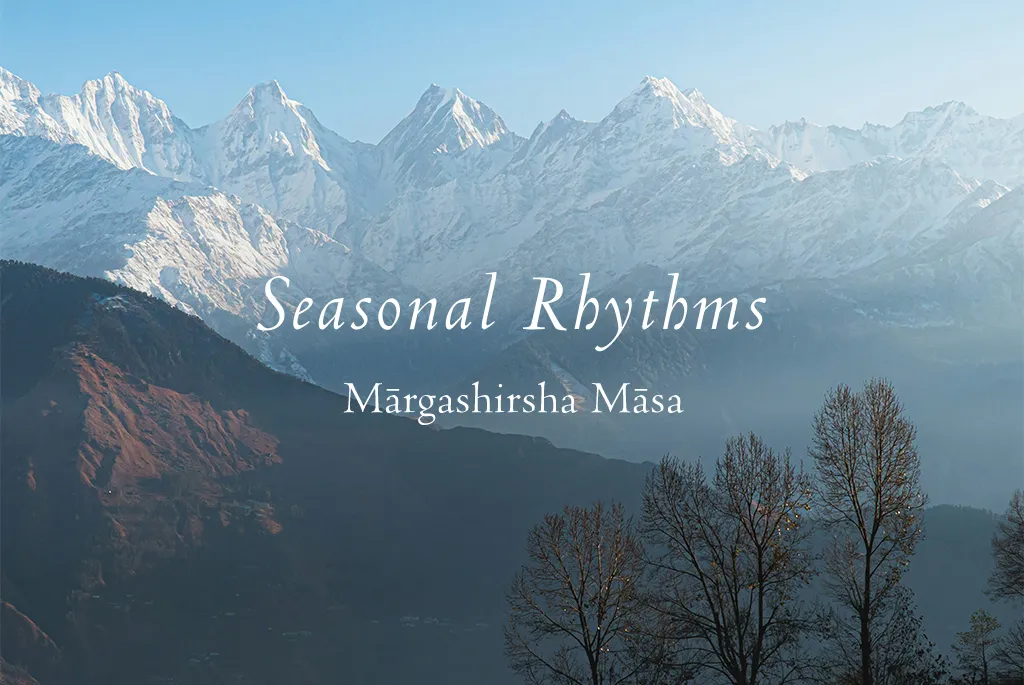
The Mārgashīrṣa month, also known as Agrahāyaṇa, holds a special place in Indian tradition and Ayurveda. Falling between late November and December, this period is considered auspicious in Vedic culture and is often referred to as the "month of devotion." In Ayurveda, Mārgashīrṣa is significant for its impact on physical, mental, and spiritual well-being, as well as its alignment with seasonal changes.
Mārgashīrṣa in Vedic Tradition
The name Mārgashīrṣa originates from the Nakṣatra (constellation) Mṛgaśirṣa, symbolizing the head of a deer. This month is mentioned in the Bhagavad Gita (10:35), where Lord Krishna declares, "Māsānām Mārgaśīrṣo 'ham" (Among the months, I am Mārgashīrṣa), highlighting its spiritual importance.
Mārgashīrṣa is a time for gratitude and self-discipline, often observed through fasting, rituals, and prayers, especially to Lord Vishnu and Lakshmi. It is believed that actions performed during this month yield manifold benefits, making it an ideal time for holistic self-care.
Ayurvedic Perspective on Mārgashīrṣa
In Ayurveda, this month marks a transition in seasons, influencing the Tridoshas—Vata, Pitta, and Kapha. The seasonal change from Hemanta Ritu (early winter) to Shishira Ritu (late winter) demands adjustments in lifestyle and diet to maintain health and harmony.
Impact of Mārgashīrṣa on Health
- Strengthening Agni (Digestive Fire):
- The cold weather in Mārgashīrṣa naturally enhances Jatharagni (digestive fire), making it an ideal time to consume nourishing and strengthening foods.
- Balancing Doshas:
- Vata tends to stabilize due to the moist and cold environment, but an imbalance can cause dryness and joint pain.
- Kapha begins to accumulate, necessitating measures to prevent congestion and sluggishness.
- Boosting Immunity:
- Seasonal transitions can lower immunity, making it essential to adopt rituals that promote resilience.
Ayurvedic Recommendations for Mārgashīrṣa
- Dietary Guidelines:
- Emphasize warm, easily digestible, and nourishing foods such as soups, ghee, sesame seeds, and seasonal fruits like pomegranates and oranges.
- Include spices like ginger, black pepper, and cinnamon to balance Kapha and stimulate Agni.
- Lifestyle Adjustments:
- Abhyanga (Oil Massage): Use warm sesame oil to combat dryness and strengthen muscles and joints.
- Exercise: Moderate physical activity is recommended to prevent Kapha accumulation and maintain energy levels.
- Sleep Routine: Align your sleep cycle with natural daylight hours to enhance vitality.
- Rituals and Spiritual Practices:
- Begin the day with prayers and meditation to calm the mind and enhance focus.
- Practice fasting or intermittent eating to cleanse the body and improve digestion.
- Herbal Remedies:
- Use Ayurvedic herbs like Ashwagandha, Shatavari, and Guduchi to boost immunity and reduce stress.
- Drink herbal teas made with tulsi, ginger, and mulethi to stay warm and hydrated.
Spiritual and Mental Well-being
Mārgashīrṣa is an opportunity to cultivate gratitude and self-awareness. The practice of mindfulness, yoga, and meditation during this month helps align the body, mind, and spirit. The serene environment of early winter makes it a perfect time for introspection and setting intentions for the year ahead.
Conclusion
The Mārgashīrṣa month is more than just a period of spiritual devotion; it is a time for rejuvenation and balance in accordance with nature’s rhythms. By following Ayurvedic principles during this month, one can harness its unique energies to enhance physical health, mental clarity, and spiritual growth.
Let this Mārgashīrṣa be a time of healing and transformation, guided by the timeless wisdom of Ayurveda.
Explore personalized Ayurvedic care at Sukhayu Hospital to align with the seasonal transitions and enhance your well-being.
Keywords