The second chapter of Aṣṭāṅga Saṅgraha is called Shishyopananīya Adhyāya, which literally means:
“The chapter that explains how a student (शिष्य) should be prepared, selected, trained, and guided.”
In modern language, this chapter is Ayurveda’s version of:
- Medical school admission criteria
- Ethical expectations from a student
- Teacher–student relationship
- Professional attitude
- Code of conduct
- Ideal qualities of a future doctor
Surprisingly, every guideline in this chapter is as relevant today as it was thousands of years ago.
1. Who Is Fit to Become a Doctor? (Student Selection Criteria)
Ayurveda does not believe that anyone can become a healer.
Only a student with the right mindset, character, and aptitude should enter medical training.
The text describes the ideal student as:
- Intelligent
- Disciplined
- Emotionally stable
- Hard-working
- Compassionate
- Truthful
- Free from addictions
- Mentally curious
- Humble and eager to learn
- Courageous yet calm
Modern parallel:
These are the same qualities we expect today in a medical undergraduate or resident — high cognitive abilities, emotional resilience, empathy, honesty, and strong motivation.
2. The Importance of Character and Ethics
The chapter emphasizes that moral character is more important than intellectual ability.
A student must NOT be:
- arrogant
- dishonest
- impatient
- careless
- disrespectful
- ego-driven
- addicted or immoral
This is stunningly modern.
Medical ethics committees today stress exactly the same qualities:
- professionalism
- integrity
- accountability
- non-maleficence
- responsible behaviour
Ayurveda insisted on this at the entry point itself.
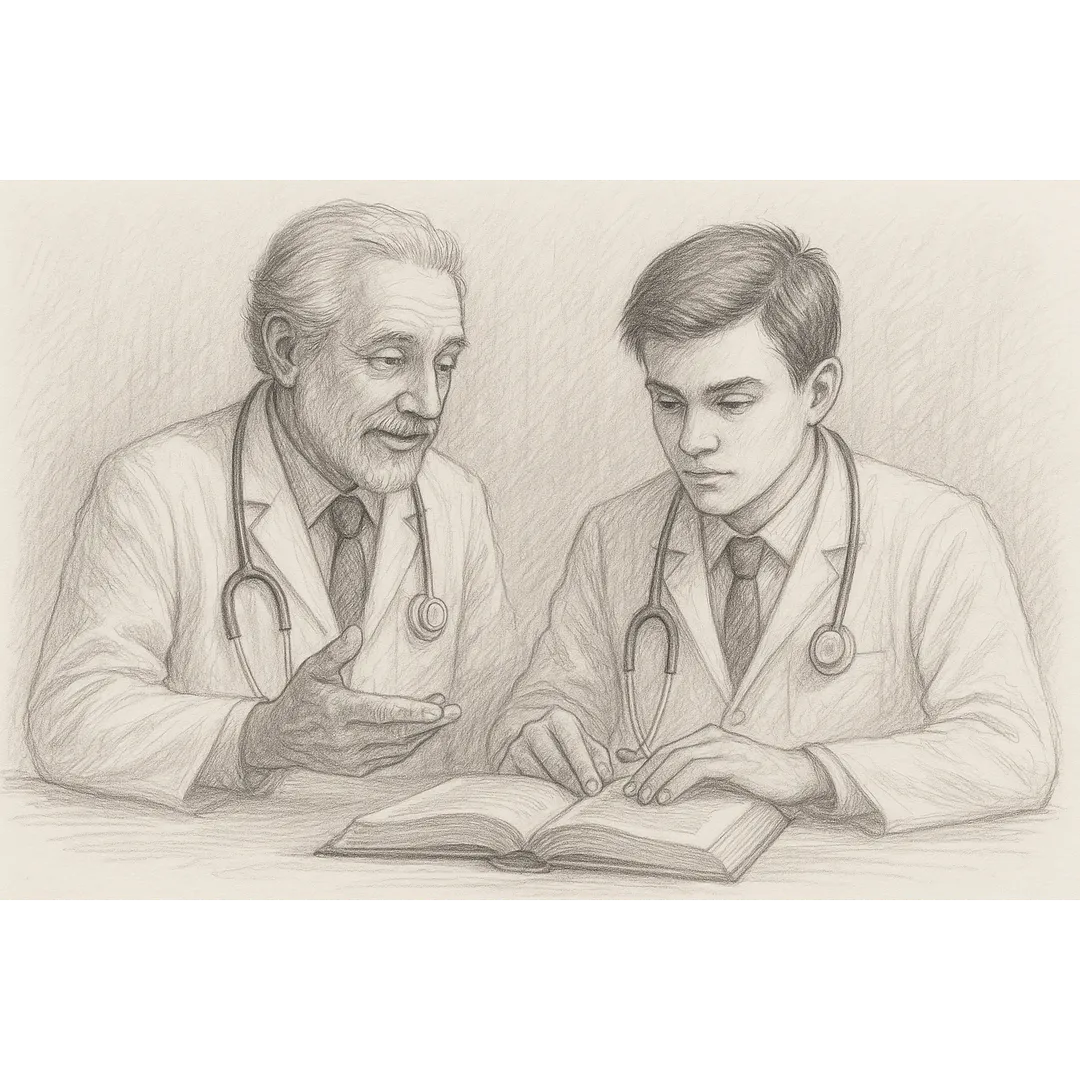
3. The Teacher’s Role — More Than a Lecturer
The text highlights that a medical teacher (आचार्य) is not merely a person who delivers lectures.
He or she is:
- a mentor
- a guide
- a role model
- an ethical example
- a guardian of the student’s future
A good teacher, according to the text:
- lives what they teach
- has deep clinical experience
- has no jealousy or ego
- teaches with compassion
- treats students as their own children
Modern view:
This is the essence of modern mentorship, clinical training, bedside teaching, and faculty professionalism.
4. How a Student Should Approach Learning
Ayurveda advises the student to approach learning with:
- Complete attention
- Daily practice
- Questioning attitude
- Respect for evidence
- Curiosity to observe patients
- Habit of note-making and memorization
- Never-ending desire to understand deeply
This is the same mindset we expect in modern medical education:
- evidence-based reasoning
- analytical thinking
- patient-based learning
- problem-solving
- clinical exposure
- repetition + revision
5. The Student–Teacher Relationship
The text describes a sacred relationship founded on:
- trus
- respect
- humility
- discipline
- gratitude
The student must obey the teacher, avoid arguments born from ego, and maintain professional conduct.
In modern terms:
- follow clinical protocols
- respect senior clinicians
- avoid arrogance
- maintain team dynamics
Professional behaviour is central in both worlds.
6. Lifestyle of the Medical Student
Ayurveda expects the student to maintain a disciplined lifestyle:
- wake up early
- eat healthy food
- avoid alcohol and addictions
- maintain cleanliness
- stay humble and focused
- avoid distractions
- stay physically and mentally fit
- dress simply and professionally
This is basically a holistic version of student professionalism — fitness, time management, mental balance, and lifestyle hygiene.
7. The Purpose of Medical Education (according to Ayurveda)
The chapter makes a profound statement:
A doctor’s purpose is to protect life, prevent disease, cure illness, and reduce suffering — without seeking personal gain.
This aligns exactly with:
- the modern Hippocratic Oath
- the Declaration of Geneva
- global medical ethics
In Ayurveda, the physician is expected to be:
- selfless
- scientifically sharp
- emotionally grounded
- ethically pure
- committed to service
This was the original vision of the medical profession.
8. Qualities Expected at the End of Training
At the completion of training, the student must be able to:
- understand the human body
- diagnose disease accurately
- select proper treatment
- apply therapies safely
- communicate with patients
- maintain professionalism
- continue lifelong learning
This is exactly what modern MBBS / MD / MS exit competencies expect:
- clinical competence
- diagnostic skill
- therapeutic decision-making
- communication skills
- ethical practice
- self-directed learning
Ayurveda set these standards centuries ago.
9. Why This Chapter Matters Today
Shishyopananīya Adhyāya is not ancient idealism.
It is a practical blueprint for training a safe, skilled, ethical modern doctor.
It teaches:
✔ The right way to choose a medical student
✔ The right way to train a medical student
✔ The professional attitude expected from a clinician
✔ The emotional maturity required for healing
✔ The ethical foundation of medicine
✔ The importance of mentorship & discipline
✔ The need for lifelong learning
If every modern medical college adopted just this chapter, healthcare quality would transform dramatically.
Conclusion
The second chapter of Aṣṭāṅga Saṅgraha, Shishyopananīya Adhyāya, is much more than a set of old rules.
It is a timeless code of professional conduct for anyone entering the medical field.
For modern doctors and students, it reminds us that:
- Knowledge matters,
- But character matters more.
- Skills matter,
- But discipline matters more.
- Technology matters,
- But compassion matters more.
This chapter teaches that becoming a doctor is not merely acquiring a degree —
it is becoming a responsible, ethical, dedicated healer.
Keywords