PCOS (POLYCYSTIC OVARIAN SYNDROME)
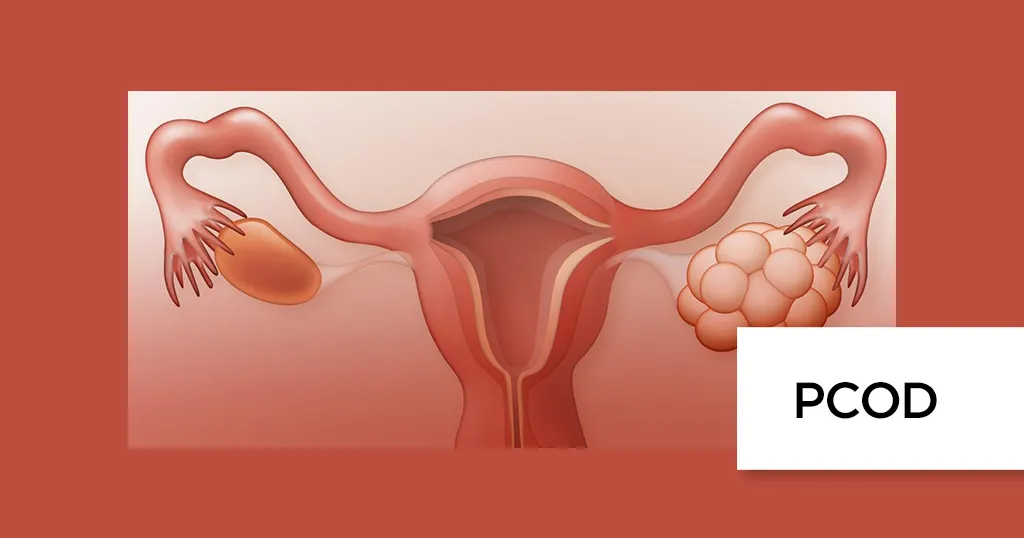
PCOS (POLYCYSTIC OVARIAN SYNDROME) is the most common endocrine disorder in women of reproductive age; a recent study revealed that about 22.5% of women in India suffer from this condition which is one of the causes of infertility. The estrogen and progesterone imbalance accompanied by increased luteinizing hormone (LH) is the main disharmony in the endocrine system seen in patients with PCOS. The increase in LH results in increased output of testosterone causing hirsutism.
As the name only says it’s a syndrome, hence no single condition in Ayurveda can be co-related to this, it can be understood under the broad term of arthavadusti and a few types of yonivyapad. The main symptom is “prajotpadane na samartho bavati” (Incapable of producing progeny). Irregular menstrual cycles and excessive body/ facial hair are the main symptoms; secondary complications would be diabetes, uterine cancer, and sleep apnea.
Hence, it becomes very important to understand this condition, which is mainly managed with birth control pills to regulate menstruation, ovulation induction to treat infertility and other symptomatic treatments in contemporary science. Mainly kapha, meda, mamsa dusti is seen in this condition where the presentation can be in the form of arthava kshaya (menstrual irregularity), prameha purvarupa or sthoulya to some extent alleviates other symptoms of PCOS and in some instances can restore menstrual rhythm. The management of PCOS can be planned in terms of shodhana, shamana and nidana parivarjana.