Pathophysiology of Hair Fall According to Ayurveda
Introduction
Hair fall, or alopecia, is a common concern affecting individuals across various age groups. While modern medicine offers several explanations and treatments for hair loss, Ayurveda provides a holistic understanding rooted in ancient wisdom. This article delves into the Ayurvedic perspective on hair fall, exploring its pathophysiology, underlying imbalances, and potential treatments, with references to original Ayurvedic texts.
Understanding Hair Fall in Ayurveda
In Ayurveda, hair is considered a byproduct of the body's overall health, primarily governed by the balance of the three doshas: Vata, Pitta, and Kapha. Each dosha plays a vital role in maintaining healthy hair, and any imbalance can lead to hair fall.
Vata Dosha: Represents air and space, associated with dryness and lightness. When Vata is aggravated, it can lead to dryness of the scalp, brittle hair, and ultimately hair loss. Symptoms of Vata imbalance may include:
- Dry and rough hair texture
- Dandruff
- Itchy scalp
The Sushruta Samhita mentions that when Vata is disturbed, it can lead to hair disorders, illustrating the importance of balancing this dosha for maintaining hair health.
Pitta Dosha: Represents fire and water, linked to metabolism and transformation. An increase in Pitta can result in inflammation and heat in the body, causing conditions such as Amla (oily scalp) and Aushadha (excessive hair shedding). Symptoms of Pitta imbalance may include:
- Oily hair
- Thinning hair
- Premature greying
The Charaka Samhita states that when Pitta is aggravated, it causes hair to become thin and grey, emphasizing the need for balance.
Kapha Dosha: Represents earth and water, associated with stability and nourishment. When Kapha is imbalanced, it can lead to an accumulation of moisture and lethargy in the body, affecting hair health. Symptoms of Kapha imbalance may include:
- Oily scalp
- Slow hair growth
- Excessive shedding
According to the Ashtanga Hridaya, an imbalance in Kapha can result in heavy and unhealthy hair growth, signifying the need for proper doshic balance.
Ayurvedic Pathophysiology of Hair Fall
The pathophysiology of hair fall in Ayurveda can be understood through the following mechanisms:
Dosha Imbalance: As mentioned, an imbalance in the three doshas directly affects hair health. The specific characteristics of each dosha contribute to hair quality and growth, and their disturbances can lead to hair loss.
Srotas (Channels): According to Ayurveda, Srotas are channels through which nutrients and energy flow in the body. If the Rasavaha Srotas (channels responsible for nutrient distribution) are obstructed or impaired, it can lead to insufficient nourishment of hair follicles, resulting in hair fall.
The Sushruta Samhita elaborates on the importance of Srotas in maintaining the vitality of various body tissues, including hair.
Dhatu (Tissues) Imbalance: Hair is considered to be derived from the Asthi Dhatu (bone tissue) and Rasa Dhatu (nutritional fluid). If there is a deficiency in these dhatus, it can lead to poor hair quality and loss. The health of these dhatus is crucial for maintaining strong and healthy hair.
The Charaka Samhita mentions that healthy Rasa Dhatu is essential for nourishing hair, indicating its importance in hair growth.
Aama (Toxins): Accumulation of Aama, or toxins, in the body can disrupt the doshic balance and hinder proper nourishment of hair follicles. This can result from poor digestion, unhealthy eating habits, or stress, leading to hair loss.
The Sushruta Samhita highlights the significance of digestion in preventing the formation of Aama, which can adversely affect health, including hair health.
Stress and Mental Health: Ayurveda acknowledges the impact of Sattva, Rajas, and Tamas on overall health. Emotional stress and mental disturbances can exacerbate dosha imbalances, leading to conditions such as Alopecia Areata.
Causes of Hair Fall According to Ayurveda
Several factors contribute to hair fall according to Ayurveda:
Poor Nutrition: A diet lacking essential nutrients, especially those that nourish Rasa and Asthi Dhatus, can lead to hair loss. Foods that are too spicy, oily, or heavy can aggravate Pitta and Kapha doshas, causing hair issues.
The Charaka Samhita emphasizes the importance of a balanced diet for maintaining healthy dhatus.
Hormonal Imbalances: Hormonal fluctuations, particularly during puberty, pregnancy, and menopause, can lead to dosha imbalances that affect hair health.
Environmental Factors: Exposure to pollutants, chemicals, and harsh weather conditions can aggravate Vata and Pitta doshas, leading to hair damage and loss.
Lifestyle Choices: Inadequate sleep, excessive stress, and lack of physical activity can disrupt the doshic balance and contribute to hair loss.
Medical Conditions: Conditions such as hypothyroidism, autoimmune diseases, and scalp infections can also lead to imbalances affecting hair growth.
Ayurvedic Treatments for Hair Fall
Ayurveda emphasizes a holistic approach to treating hair fall. Some effective treatments include:
Dietary Recommendations: A balanced diet rich in nutrients is essential for healthy hair. Foods that pacify Vata and Pitta, such as:
- Warm, cooked foods
- Fresh fruits and vegetables
- Whole grains
The Charaka Samhita suggests incorporating seasonal and local foods to maintain doshic balance.
Herbal Remedies: Various herbs are known to promote hair health, including:
- Brahmi (Bacopa monnieri): Enhances hair growth and reduces stress.
- Amla (Phyllanthus emblica): Nourishes hair follicles and prevents premature greying.
- Bhringraj (Eclipta prostrata): Known for its rejuvenating properties and ability to strengthen hair.
The Sushruta Samhita describes the use of Bhringraj for promoting hair growth and treating hair disorders.
Scalp Massages: Regular scalp massages with herbal oils, such as coconut or sesame oil, can improve circulation, nourish the scalp, and reduce hair fall.
The Ashtanga Hridaya highlights the importance of oiling the scalp to enhance hair strength.
Lifestyle Modifications: Incorporating stress-reduction techniques, such as yoga and meditation, can help maintain doshic balance and promote overall well-being.
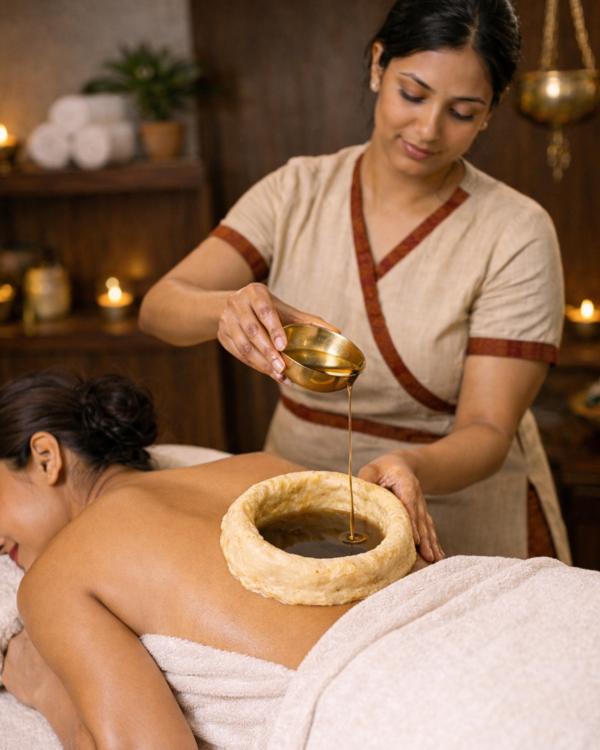
Panchakarma: Ayurvedic detoxification therapies, such as Shirodhara and Abhyanga, can help eliminate toxins and restore balance, promoting healthy hair growth.
Conclusion
Understanding the pathophysiology of hair fall through the lens of Ayurveda offers valuable insights into maintaining hair health. By addressing doshic imbalances, promoting proper nutrition, and adopting a holistic lifestyle, individuals can effectively manage hair fall and enhance their overall well-being. As Ayurveda emphasizes a personalized approach, consulting with an Ayurvedic practitioner can help tailor treatments to individual needs, ensuring optimal hair health.
References
- Charaka Samhita - Text on Ayurveda emphasizing the importance of nutrition and doshic balance for health.
- Sushruta Samhita - Ancient surgical text discussing the role of Srotas and herbal remedies in maintaining health.
- Ashtanga Hridaya - Comprehensive Ayurvedic text detailing the impact of lifestyle choices on health.
- Brahma Samhita - Text referring to the significance of Amla and Bhringraj for hair health.