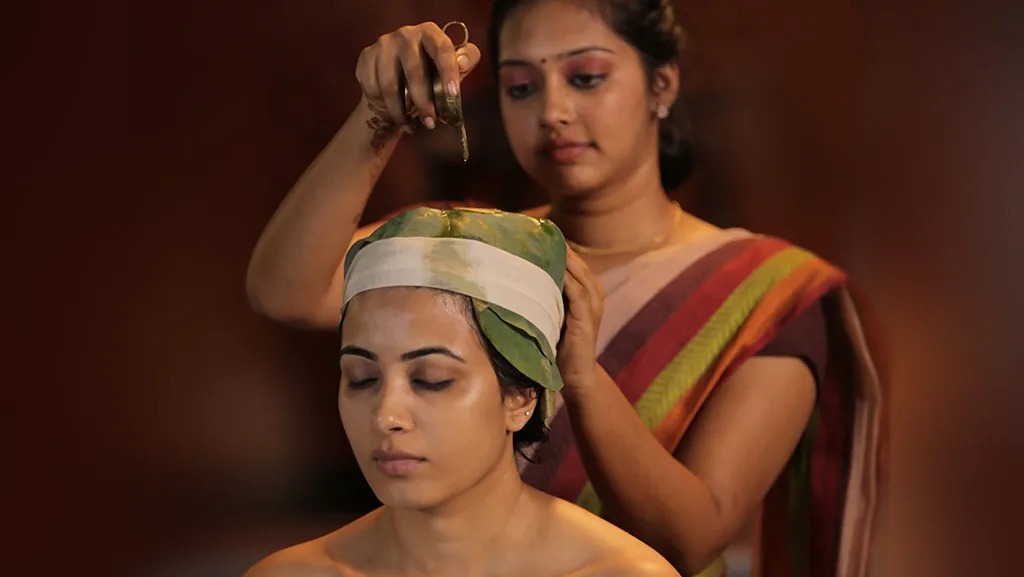
Panchakarma is a comprehensive detoxification and rejuvenation therapy in Ayurveda.
It involves a series of therapeutic measures to cleanse the body of accumulated toxins and restore balance to the doshas. The term "Panchakarma" translates to "five actions," and these five procedures constitute the core of this Ayurvedic cleansing process. Each Panchakarma treatment is designed to address specific aspects of detoxification and healing. Here is detailed information on each Panchakarma procedure:
1. Vamana (Emesis Therapy):
- Purpose: Vamana is primarily used to eliminate excess Kapha dosha. It helps in treating conditions like bronchial asthma, chronic allergies, and skin disorders.
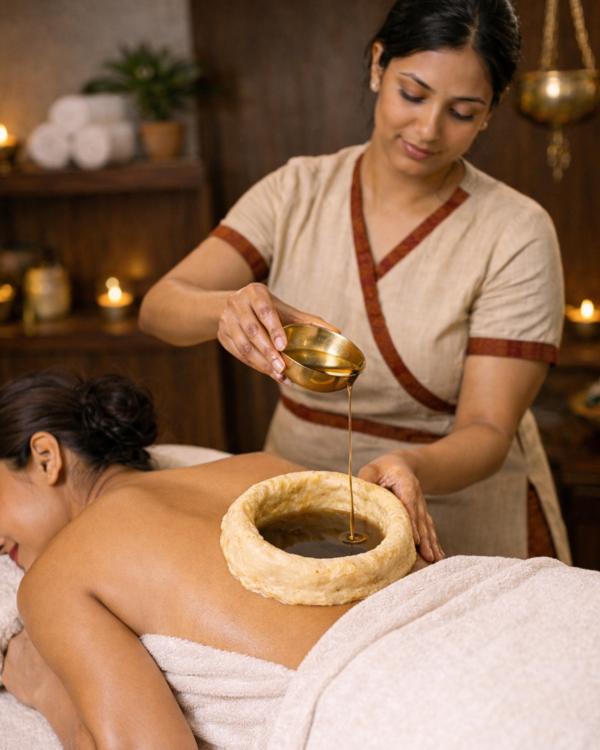
- Procedure: The individual is given internal and external oleation (oil massage) followed by therapeutic vomiting induced by ingesting medicinal substances. This process expels accumulated mucus and toxins from the upper respiratory tract.
2. Virechana (Purgation Therapy):
- Purpose: Virechana aims to eliminate excess Pitta dosha and toxins from the body, particularly from the gastrointestinal tract and liver. It is often used for conditions like skin disorders, liver disorders, and digestive issues.
- Procedure:The person undergoes preparatory measures like internal and external oleation, followed by the intake of herbal laxatives to induce controlled purgation. This helps remove toxins from the digestive system.
3. Basti (Enema Therapy):
- Purpose: Basti is designed to balance Vata dosha and is known for its nourishing and strengthening effects on the body. It is often used to treat conditions like chronic constipation, neurological disorders, and musculoskeletal issues.
- Procedure: Herbal decoctions or oils are introduced into the rectum through the anus, allowing for the absorption of medicinal substances. Basti helps in lubricating and nourishing the colon, promoting elimination of accumulated toxins.
4. Nasya (Nasal Administration):
- Purpose: Nasya is primarily used to address imbalances in the upper part of the body, especially related to excess Kapha and Vata doshas. It is beneficial for conditions like sinus congestion, headaches, and certain neurological disorders.
- Procedure: Medicated oils or herbal preparations are administered through the nostrils. Nasya helps in clearing the nasal passages, improving respiratory function, and balancing the doshas in the head region.
5. Raktamokshana (Blood letting):
- Purpose: Raktamokshana is performed to purify the blood and remove accumulated Pitta dosha. It is recommended for conditions such as skin disorders, inflammatory conditions, and certain joint disorders.
- Procedure: There are two main methods – Siravedha (venipuncture) and Pracchanna (use of leeches). Both methods aim to remove excess or impure blood, promoting better circulation and purification.
It's crucial to note that Panchakarma should only be administered under the guidance of a qualified Ayurvedic practitioner. The specific Panchakarma procedures recommended for an individual depend on their constitution (prakriti), current health condition, and imbalances in the doshas (vikriti). Additionally, proper pre and post-treatment care is essential to maximize the benefits of Panchakarma and avoid potential complications.
Keywords