
Optimizing Your Fertility Journey: Planning for a Healthy Pregnancy
Planning for a pregnancy involves several key steps to ensure both the health of the prospective mother and the optimal conditions for conception. Here are some detailed tips and information to help you plan for pregnancy and increase the chances of conceiving early:
1. Preconception Health:
- Visit a Doctor : Schedule a preconception visit with your healthcare provider. They can assess your overall health, identify any potential issues, and provide guidance on improving your health for pregnancy.
- Nutritional Supplements: Start taking prenatal vitamins with folic acid before conception. Folic acid helps prevent neural tube defects in the baby.
- Healthy Lifestyle: Maintain a healthy weight, exercise regularly, and avoid smoking, alcohol, and recreational drugs.
2. Understanding Menstrual Cycle:
- Ovulation Tracking: Understand your menstrual cycle and identify your most fertile days. Ovulation typically occurs around the middle of the menstrual cycle.
- Ovulation Prediction Kits (OPKs): Use ovulation prediction kits to help pinpoint your fertile window by detecting the surge in luteinizing hormone (LH) that precedes ovulation.
3. Timed Intercourse:
- Frequency:Aim for regular, unprotected intercourse during your fertile window. Having sex every 1-2 days around the time of ovulation increases the chances of conception.
- Position: While there is no scientifically proven "best" sexual position for conception, some suggest missionary position or elevating the hips afterward to help sperm reach the cervix.
4. Healthy Sperm:
- Male Health: Men should also maintain good health. They should avoid excessive heat (hot baths, saunas), limit alcohol and caffeine intake, and avoid smoking.
5. Stress Management:
- Reduce Stress: High stress levels can affect fertility. Practice stress-reduction techniques such as yoga, meditation, or deep breathing exercises.
6. Patience:
- Give it Time: It's normal for conception to take time. Even healthy couples may take several months to conceive. If you've been trying for over a year without success, consult with a healthcare professional.
7. Track Your Cervical Mucus:
- Cervical Mucus Changes: Pay attention to changes in cervical mucus. Around ovulation, cervical mucus becomes clear and slippery, resembling egg whites.
8. Healthy Diet:
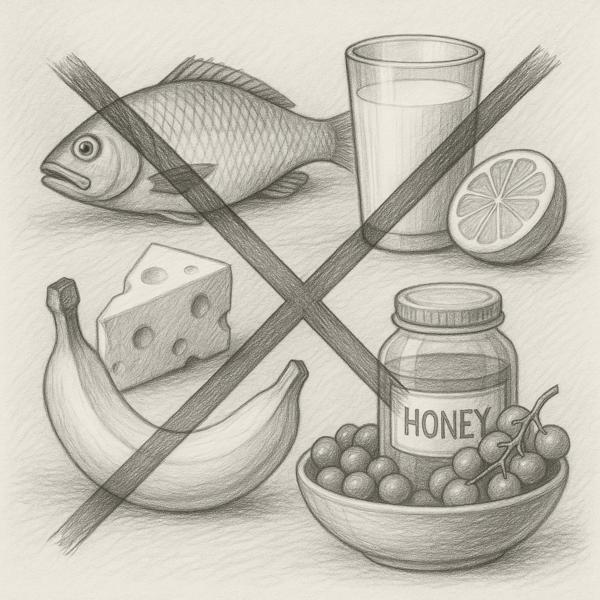
- Balanced Nutrition: Consume a well-balanced diet with a variety of nutrients. Certain foods may support fertility, such as fruits, vegetables, whole grains, and lean proteins.
9. Avoid Harmful Substances:
- Environmental Factors Limit exposure to harmful substances like pesticides, chemicals, and radiation, which may affect fertility.
10. Know When to Seek Help:
- Consult a Specialist: If you're under 35 and have been trying for a year without success, or if you're over 35 and have been trying for six months without success, consider consulting a fertility specialist.
Remember, every individual is different, and factors influencing fertility can vary. It's essential to consult with healthcare professionals for personalized advice based on your specific health conditions.
Keywords