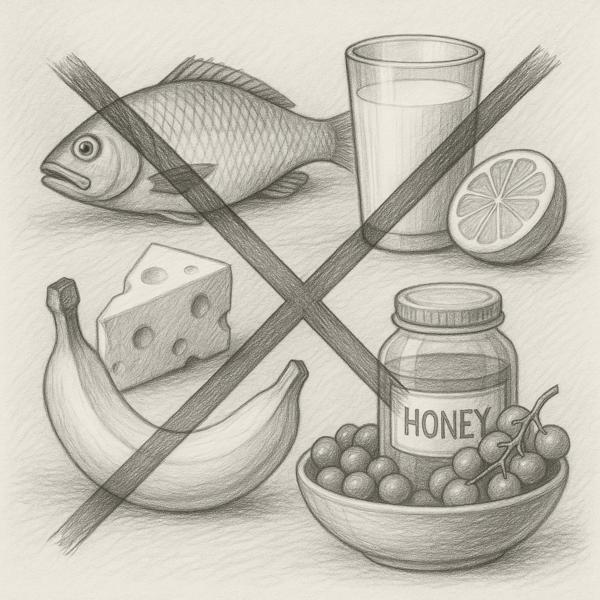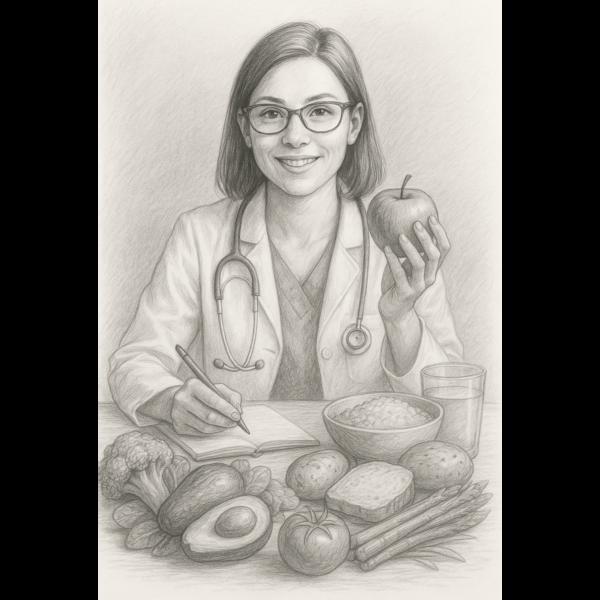
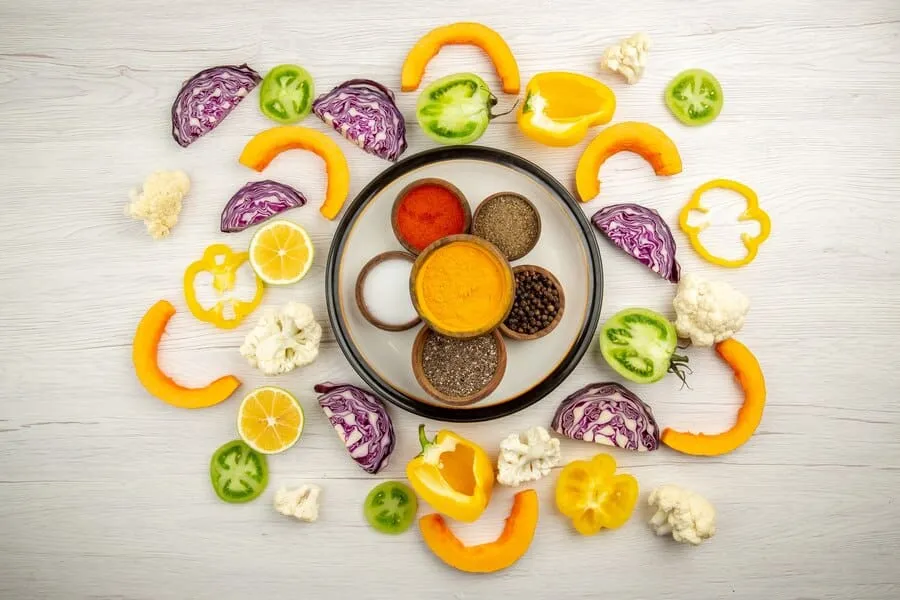
If you have hypothyroidism, it's important to maintain a healthy diet that supports your thyroid function. While there isn't a specific "hypothyroidism diet," making certain dietary adjustments can be beneficial. Here are some general dietary instructions for hypothyroidism:
Include iodine-rich foods: Iodine is essential for thyroid hormone production. Include iodine-rich foods in your diet such as iodized salt, seaweed (kelp), fish (such as cod and tuna), shrimp, dairy products, and eggs.
Consume selenium-rich foods: Selenium is important for thyroid hormone metabolism. Good sources of selenium include Brazil nuts, sunflower seeds, whole grains, legumes, and seafood (tuna, shrimp, sardines).
Eat balanced meals: Focus on consuming a well-balanced diet that includes a variety of whole foods. Include lean proteins (chicken, fish, tofu), whole grains (brown rice, quinoa, oats), healthy fats (avocado, olive oil, nuts), and plenty of fruits and vegetables.
Limit processed foods: Processed foods often contain additives, preservatives, and unhealthy fats, which can negatively impact thyroid function. Reduce your intake of processed and packaged foods, including fast food and sugary snacks.
Be cautious with goitrogenic foods: Goitrogens are substances that can interfere with thyroid function when consumed in large amounts. These foods include cruciferous vegetables (such as broccoli, cauliflower, cabbage, and Brussels sprouts), soy products, millet, and certain fruits (peaches, strawberries). While these foods can still be included in your diet, it's advisable to cook or steam them, as this reduces their goitrogenic effects.
Monitor your gluten intake: Some individuals with hypothyroidism may have a sensitivity or intolerance to gluten. Consider reducing or eliminating gluten-containing foods like wheat, barley, and rye from your diet to see if it improves your symptoms.
Stay hydrated: Drink an adequate amount of water throughout the day to maintain hydration and support overall bodily functions.
Consider small, frequent meals: Some individuals with hypothyroidism find it helpful to eat smaller, more frequent meals rather than three large meals. This can help manage energy levels and prevent blood sugar fluctuations.
Remember, it's important to consult with a healthcare professional or a registered dietitian for personalized advice tailored to your specific condition and needs. They can provide you with more detailed guidance and support regarding your diet and hypothyroidism management.
Keywords