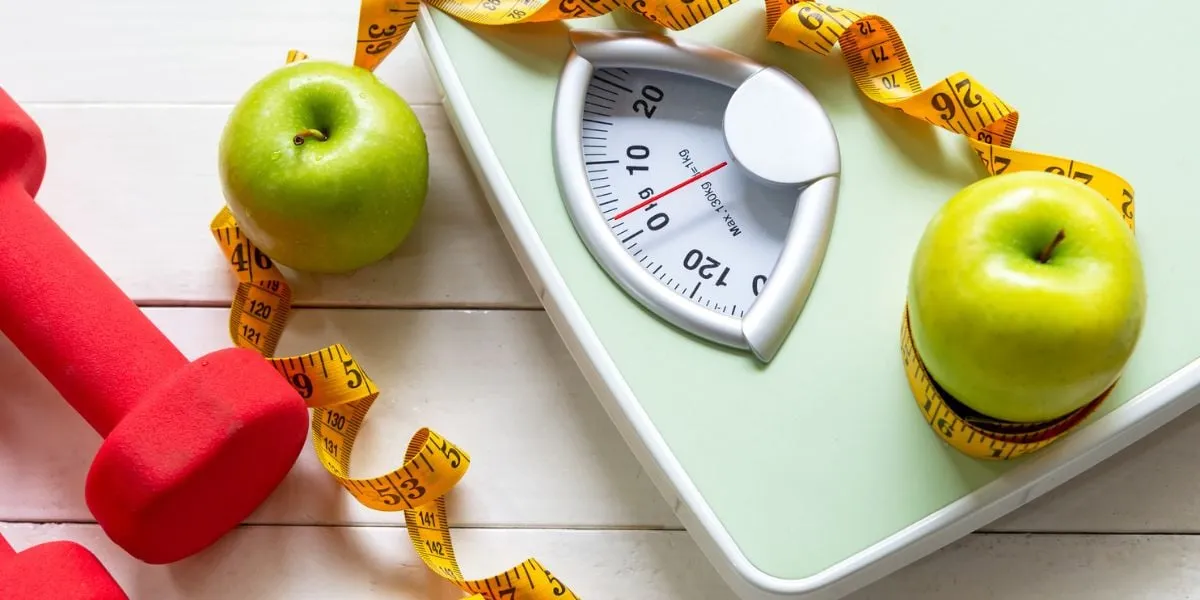
Here are 50 tips to help you reduce weight:
- Set realistic goals for weight loss.
- Eat a balanced diet with plenty of fruits, vegetables, whole grains, and lean proteins.
- Keep a food diary to track your calorie intake.
- Practice portion control by using smaller plates and bowls.
- Limit your intake of sugary drinks and opt for water or herbal tea instead.
- Reduce your consumption of processed foods and snacks.
- Cook your meals at home to have more control over ingredients and portion sizes.
- Include protein-rich foods in your diet to help you feel fuller for longer.
- Increase your fiber intake by eating more vegetables, fruits, and whole grains.
- Avoid skipping meals, especially breakfast, as it can lead to overeating later in the day.
- Chew your food slowly and savor each bite to help you feel satisfied.
- Avoid eating late at night and give yourself a few hours before bedtime to digest your food.
- Incorporate regular physical activity into your routine, such as walking, jogging, or cycling.
- Find an exercise or activity that you enjoy to stay motivated.
- Include strength training exercises to build muscle, which can help boost your metabolism.
- Take the stairs instead of the elevator whenever possible.
- Practice mindful eating by paying attention to your hunger and fullness cues.
- Get enough sleep, as lack of sleep can disrupt your metabolism and increase cravings.
- Reduce stress through relaxation techniques like meditation or yoga.
- Stay hydrated by drinking plenty of water throughout the day.
- Limit your alcohol intake, as it is high in calories and can hinder weight loss efforts.
- Find healthy alternatives for your favorite high-calorie foods.
- Avoid excessive snacking, especially on unhealthy foods.
- Use spices and herbs to add flavor to your meals instead of relying on high-calorie sauces and dressings.
- Plan your meals and snacks in advance to avoid impulsive eating.
- Avoid eating in front of the TV or computer, as it can lead to mindless eating.
- Keep healthy snacks like fruits, nuts, or cut-up vegetables readily available.
- Don't be too restrictive with your diet, allow yourself occasional treats in moderation.
- Drink a glass of water before meals to help you feel fuller and prevent overeating.
- Find a support system, such as a weight loss group or a workout buddy, to stay motivated.
- Gradually reduce your intake of added sugars in your diet.
- Choose lean protein sources like chicken, fish, and tofu.
- Replace sugary snacks with healthier options like fresh fruit or yogurt.
- Practice mindful portion sizes by using measuring cups or a food scale.
- Stay consistent with your healthy eating habits, even on weekends or during special occasions.
- Be aware of hidden calories in sauces, dressings, and condiments, and choose low-calorie options.
- Increase your daily activity levels by taking frequent breaks to walk or stretch.
- Be mindful of liquid calories from beverages like sodas, juices, and energy drinks.
- Take note of emotional eating triggers and find alternative ways to cope with emotions.
- Get involved in activities that keep you active and distracted from food, such as gardening or dancing.
- Consider incorporating intermittent fasting into your routine under the guidance of a healthcare professional.
- Set specific, measurable, achievable, relevant, and time-bound (SMART) goals for weight loss.
- Don't compare your weight loss journey to others and focus on your own progress.
- Seek professional guidance from a registered dietitian or nutritionist.
- Use smaller plates and bowls to help control portion sizes.
- Find healthy ways to cope with stress, such as exercise, meditation, or hobbies.
- Be patient with yourself and understand that weight loss takes time and effort.
- Keep track of your progress by taking measurements or photos to stay motivated.
- Celebrate non-scale victories like improved energy levels or clothing fitting better.
- Remember that weight loss is a journey, and focusing on overall health and well-being is key.
Remember, it's important to consult with a healthcare professional or a registered dietitian before making significant changes to your diet or exercise routine. They can provide personalized advice based on your individual needs and health conditions.
Keywords