Gout is a common type of arthritis that causes intense pain, swelling, and stiffness in the joints. It usually affects the joint at the base of the big toe, known as the metatarsophalangeal joint. Its main cause is the presence of too much uric acid in the body.
It is the most common form of inflammatory arthritis in males. And although it is less likely to affect them overall, females have a higher rate of developing gout after menopause.
Gout attacks can come on quickly and may keep recurring over time. This ongoing resurgence can slowly harm tissue in the inflammation area and can be extremely painful. Hypertension, cardiovascular conditions, and obesity are risk factors for gout.
People will typically treat the condition with prescription medication. These drugs can help treat the symptoms of gout attacks, prevent future flares, and reduce the risk of complications such as kidney stones and tophi. Tophi refers to when acid crystals form masses of white growths that develop around the affected areas.
Common medications include nonsteroidal anti-inflammatory drugs and corticosteroids, another anti-inflammatory. These reduce swelling and pain in the areas affected by gout.
Excessive uric acid levels are typically trusted Sources due to the overproduction of uric acid or issues with the kidneys in excreting this substance adequately. A person may use medicines to reduce uric acid production or improve the kidney’s ability to remove uric acid from the body.
Without treatment, an acute gout attack will be at its worst between 12 and 24 hours trusted Source after it began. A person can expect to recover within 1–2 weeks without treatment, but there may be significant pain during this period.
Tests and diagnosis
Gout can often be challenging to diagnose, as its symptoms are similar to those of other conditions. While hyperuricemia occurs in most people who develop gout, it may not be present during a flare-up. As a result, a person does not need to have hyperuricemia for a diagnosis.
High levels of uric acid in an individual’s blood or urate crystals in their joint fluid are the main diagnostic criteria for gout.
To assess this, a rheumatologist will carry out a blood test and may also extract fluid from an affected joint for analysis.
In addition, they can search for urate crystals around joints or within growths using an ultrasound scan. X-rays cannot detect gout, but healthcare professionals may use them to rule out other causes.
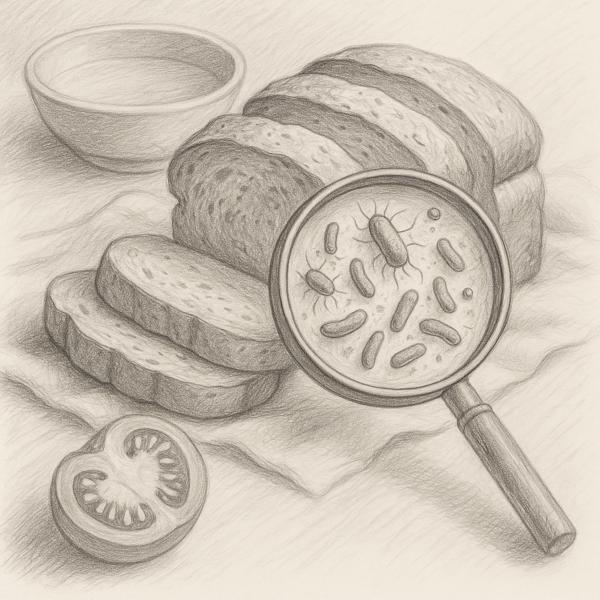
As joint infections can also cause similar symptoms to gout, doctors can look for bacteria when carrying out a joint fluid test to rule out a bacterial cause.
Types
There are various stages through which gout progresses.
Asymptomatic hyperuricemia
A person can have elevated uric acid levels without any outward symptoms. While individuals do not need treatment at this stage, high uric acid levels in the blood can cause silent tissue damage.
As a result, a doctor may advise a person with high uric acid levels to address factors possibly contributing to its buildup.
Acute gout
This stage occurs when urate crystals in a joint suddenly cause acute inflammation and intense pain. This sudden attack is a “flare” and may last between 3 days and 2 weeks trusted Source. Stressful life events and excessive alcohol consumption could be contributors to flare-ups.
Interval or intercritical gout
This stage is the period in between attacks of acute gout. As a person’s gout progresses, these intervals become shorter. Between these periods, urate crystals may continue to build up in tissue.
Chronic tophaceous gout
Chronic tophaceous gout is the most debilitating type of gout and may result in permanent damage to the joints and the kidneys. At this stage, people can have chronic arthritis and develop tophi in cooler areas of the body, such as the joints of the fingers.
Chronic tophaceous gout typically occurs after many of acute gout attacks. However, it is unlikely that individuals who receive proper treatment progress to this stage.
Pseudogout
One condition that experts easily confuse with gout is calcium pyrophosphate deposition, known as pseudogout. The symptoms of pseudogout are very similar to those of gout, although the flare-ups are usually less severe.
The major difference between gout and pseudogout is that the joints are irritated by calcium pyrophosphate crystals rather than urate crystals. Pseudogout requires different treatments than gout.
Causes
Hyperuricemia, an excess of uric acid in the blood, is the leading cause of gout.
The body produces uric acid during the breakdown of purines. These are chemical compounds found in high amounts in certain foods such as meat, poultry, and seafood.
Typically, uric acid is dissolved in the blood and excreted from the body in urine via the kidneys. If a person produces too much uric acid or does not excrete enough, it can build up and form needle-like crystals. These trigger inflammation and pain in the joints and surrounding tissue.
Risk factors
Several factors can increase the likelihood of hyperuricemia and gout, including the below.
Age: Gout is more common in older adults and rarely affects children.
Sex: In people under the age of 65 years, gout is four timesTrusted Source as prevalent among males than females. This ratio slightly decreases in people over the age of 65 years to be three times as likely.
Genetics: A family history of gout can increase the likelihood of a person developing the condition.
Lifestyle choices: Alcohol consumption interferes with the removal of uric acid from the body. Eating a high-purine diet also increases the amount of uric acid in the body. Both of these can lead to gout.
Lead exposure: Studies have suggested a link between chronic lead exposure and an increased risk of gout.
Medications: Certain medications can increase the levels of uric acid in the body. These include some diuretics and drugs containing salicylate.
Weight: Being overweight or obese and having high levels of visceral body fat have associations with an increased risk of gout. However, being overweight or obese cannot directly cause the condition.
Other health conditions: Renal insufficiency and other kidney conditions can reduce the body’s ability to remove waste, leading to elevated uric acid levels. Other conditions associated with gout include high blood pressure and diabetes.
Symptoms
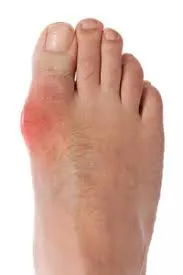
The main symptom of gout is intense joint pain that subsides to discomfort, inflammation, and redness.
The condition frequently affects the base of the big toe but can also occur in the forefoot, ankles, knees, elbows, wrists, and fingers.
Complications
In some cases, gout can develop into more severe conditions, including kidney stones or recurrent gout.
Prevention tips
There are many lifestyle and dietary guidelines a person can try to protect against flares or prevent gout from occurring in the first instance:
maintaining a high fluid intake of around 2–4 liters a day
avoiding alcohol
maintaining a moderate weight
Home remedies
Individuals with gout can manage flare-ups by moderating what they eat and drink — a balanced diet can help reduce symptoms.
Decreasing foods and drinks high in purines to ensure that uric acid levels in the blood do not get too high is an important first step.
Foods high in purines include:
red meats
game meats
glandular meats, such as kidneys, livers, and sweetbreads
seafood
shellfish
alcohol
foods and drinks sweetened with high fructose corn syrup
A person can reduce their risk of developing gout by limiting their intake of purine-rich foods. However, avoiding purine consumption altogether is not necessary. Moderate consumption of purine-rich items can help manage uric acid levels and gout symptoms and benefit overall dietary health.
Gout is a type of inflammatory arthritis. As a result, a person experiencing symptoms of gout may benefitTrusted Source from general arthritis home treatments. These include staying active, maintaining a moderate weight, and performing low-impact exercises to support joint health.
Summary
Gout is a common form of arthritis that affects the joints. It can lead to intense pain, swelling, and stiffness. The condition affects more than 3 million Americans and is more prevalent in males than females.
Hyperuricemia — when too much uric acid is present in a person’s blood — is the leading cause of gout.
Individuals may experience hyperuricemia if their body overproduces uric acid or if their kidneys do not excrete the substance adequately.
A doctor will typically recommend prescription medications to treat gout. This may include treatments to reduce inflammation in the affected joints and drugs to help regulate uric acid levels.
People can help reduce their risk of developing gout by avoiding foods high in purines that the body converts into uric acid, keeping adequately hydrated, and avoiding alcohol.
Gout is a type of inflammatory arthritis that can cause pain, tenderness, flushing, and inflammation. Making certain dietary changes can help manage the symptoms and prevent flares.
Foods to avoid
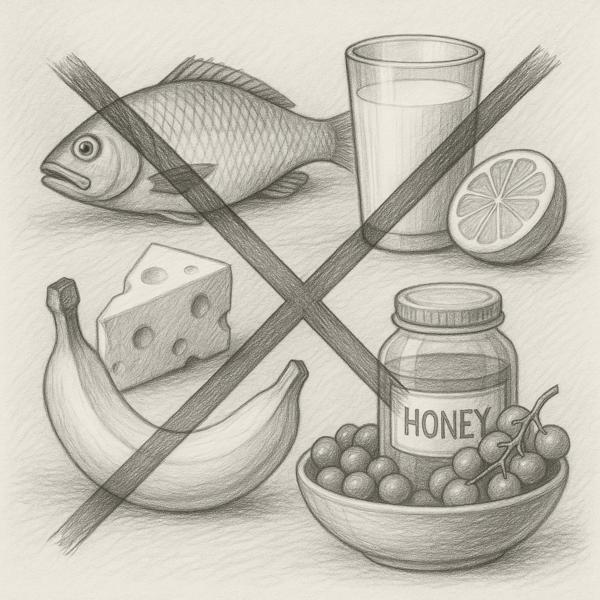
There is evidence to suggest that consuming certain types of foods may trigger an episode of gout. The sections below look at some of these foods in more detail.
Purines
Purines, which are present in animal and plant foods, may worsen the symptoms of gout because the body converts them into uric acid.
Therefore, some research suggests that consuming animal-based foods that are high in purines might increaseTrusted Source the risk of developing gout.
However, eating plant-based foods that contain purines does not appear to have the same effect. Additionally, dairy products, foods high in vitamin C, soy products, and certain plant oils may actually reduce the risk of developing gout.
In addition to animal-based foods such as meat and seafood, other sources of purines that can increase uric acid levels include alcohol and foods high in fructose, which is a type of simple sugar present in fruit and honey.
The following foods contain purinesTrusted Source:
red meats, such as beef, pork, and lamb
organ meats, including liver and kidneys
seafood, such as mussels, scallops, anchovies, sardines, trout, and tuna
alcohol, especially beer
People with gout should try to limit or avoid these foods.
Fructose
When people eat foods high in fructose, it can lead to a depletion of adenosine triphosphate. This, in turn, can lead to the overproduction of uric acid.
For this reason, people with gout should limit foods that naturally contain a lot of fructose. This does not mean excluding fruit or honey from a person’s diet but eating it in small amounts in moderation.
However, a person should try to avoid consuming sugary soda drinks and processed foods that contain high fructose corn syrup as an additive.
Carbohydrates
Since carbohydrates also contain sugar and may increase a person’s blood sugar, they can play a role in the development of insulin resistance. This has a strong association with a high uric acid level.
Every food that contains carbohydrates has a glycemic index (GI) score. This measures how much the food increases a person’s blood sugar.
Research suggests that people with gout may wish to limit their diet to foods with low GI scores.
Some high-GI carbohydrate foods to limit include:
most breakfast cereals
fruits such as pineapple, bananas, watermelon, grapes, and mango, as well as fruit juices
starchy vegetables, such as potatoes, corn, winter squash, and parsnips
rice
most white breads
snacks such as cookies, donuts, chips, pretzels, cakes, and pop tarts
Other foods to limit that can contain carbohydrates and have a high GI score include sugary beverages and sugary sauces.
In general, a person may wish to avoid any foods made with white flour.
Fasting
Some people choose to fast occasionally. This may be for religious reasons or for health reasons, such as to lose weight.
Although weight loss can be beneficial for reducing gout symptoms, the Arthritis Foundation notes that fasting may trigger gout symptoms if a fasting person becomes dehydrated.
People with gout should take special precautions when fasting to make sure that they drink enough fluids.
One 2014 study compared people who fasted and those who did not fast during Ramadan, which restricts food and fluids during daylight hours. The study did not find that people who fasted experienced more episodes of gout or higher uric acid levels than non-fasting participants.
Foods to eat
Gout is a chronic, or long-term, condition. Developing lifelong healthy eating habits can help a person manage their symptoms.
A healthy diet for a person with gout should include all the food groups and be rich in nutrient-dense, minimally processed ingredients. These include fruits, vegetables, whole grains, and legumes.
Diets that include the following foods may contribute to lower uric acid levels:
dairy products, such as milk, yogurt, and cottage cheese
plant oils, such as olive oil, avocado oil, coconut oil, and canola oil
pulses, including beans, peas, and lentils
vegetables, including mushrooms, asparagus, spinach, tomatoes, and broccoli
fruits, especially those with high fiber and low sugar content, such as cherries, citrus fruits, and berries
whole grains, including quinoa, barley, buckwheat, oats, and brown rice
nuts, such as almonds, cashews, pistachios, walnuts, and macadamia nuts
soy products, including tofu, tempeh, and edamame
lean proteins, such as chicken, turkey, and eggs
water
coffee
Overall, a plant-based diet is more likely to be beneficial than a high fat diet with a focus on meat. This can help stabilize uric acid levels.
It can also help boost heart health due to the increased consumption of fiber, fruits, vegetables, and heart-healthy monounsaturated fats. This is important, as studies suggest that people with gout may also have a higher risk of developing heart problems.
A systematic review from 2016 also found evidence to suggest that coffee may reduce the risk of a gout flare.
Sample menu
The following is an example of a healthy menu that may be suitable for a person with gout. However, people should speak with a doctor for advice about dietary changes.
Breakfast
loaded oatmeal with coffee and a glass of water
For loaded oatmeal, combine:
oats made with milk
berries and cherries
almonds and walnuts
Lunch
a loaded salad with leafy greens, vegetables, one to two boiled eggs, fruit, avocado, flaxseed, and a dressing of olive oil and vinegar
1 cup of black bean soup
one to two glasses of water
Dinner
half a cup of skinless chicken breast
half a cup of brown rice, barley, or another type of whole grain
1–2 cups of broccoli
half a cup of kefir
one to two glasses of water
Meal plans
Although medications may still be necessary to treat gout, making dietary changes using the tips above can be an effective way to manage the symptoms and prevent future flares.
In particular, consuming a balanced, low purine diet rich in fruits, vegetables, lean proteins, and dairy products may be especially beneficial.
According to the Arthritis Foundation, following a meal plan based on the Mediterranean diet could also reduce uric acid levels and support overall health.
Ideally, a healthy meal plan for gout should:
limit foods high in purines
include a variety of foods that can control uric acid levels
help a person reach or maintain a moderate weight
A person can also talk with a doctor for additional guidance in creating a meal plan tailored to their specific needs.
What is gout?
Gout is a type of arthritis that occurs there is too much uric acid in the blood. High uric acid levels can cause monosodium urate crystals to form in the joints.
Severe pain, tenderness, flushing, and inflammation can result.
Gout most commonly affects men, but it can also affect women after the age of 60 years.
Gout flares can begin suddenly, often at night, and may last for 1–2 weeks. Symptoms tend to be most painful during the first 24 hours.
Gout often affects the big toe, and even the weight of a blanket can cause severe pain. Without treatment, gout can spread to other joints in the body, affecting both the upper and lower limbs.
Treatment options
Some treatment options for gout include pain relief medications — including nonsteroidal anti-inflammatory drugs, colchicine, and steroids — and drugs to reduce uric acid levels, such as allopurinol.
Weight management and exercise
The Arthritis Foundation emphasizes how important it is for people with gout to manage their weight.
Obesity is a risk factor for developing gout. If a person with gout has excess weight, losing a few pounds can help them:
decrease uric acid levels in the body
reduce pressure on painful joints
lower the risk of heart disease
build strength and flexibility
To achieve this, the person should ask a doctor about a suitable diet to help them manage their weight and an exercise plan.
Anyone who smokes should also ask a doctor to help them with a plan to quit.
The Mediterranean diet contains plants, grains, and healthy fats. It may help people manage their weight while encouraging them to eat healthily.
Outlook
Gout is a painful condition that can worsen with certain foods.
Combining medical treatment with a healthy, low purine diet can help manage the symptoms by reducing the levels of uric acid in the body.
Keywords