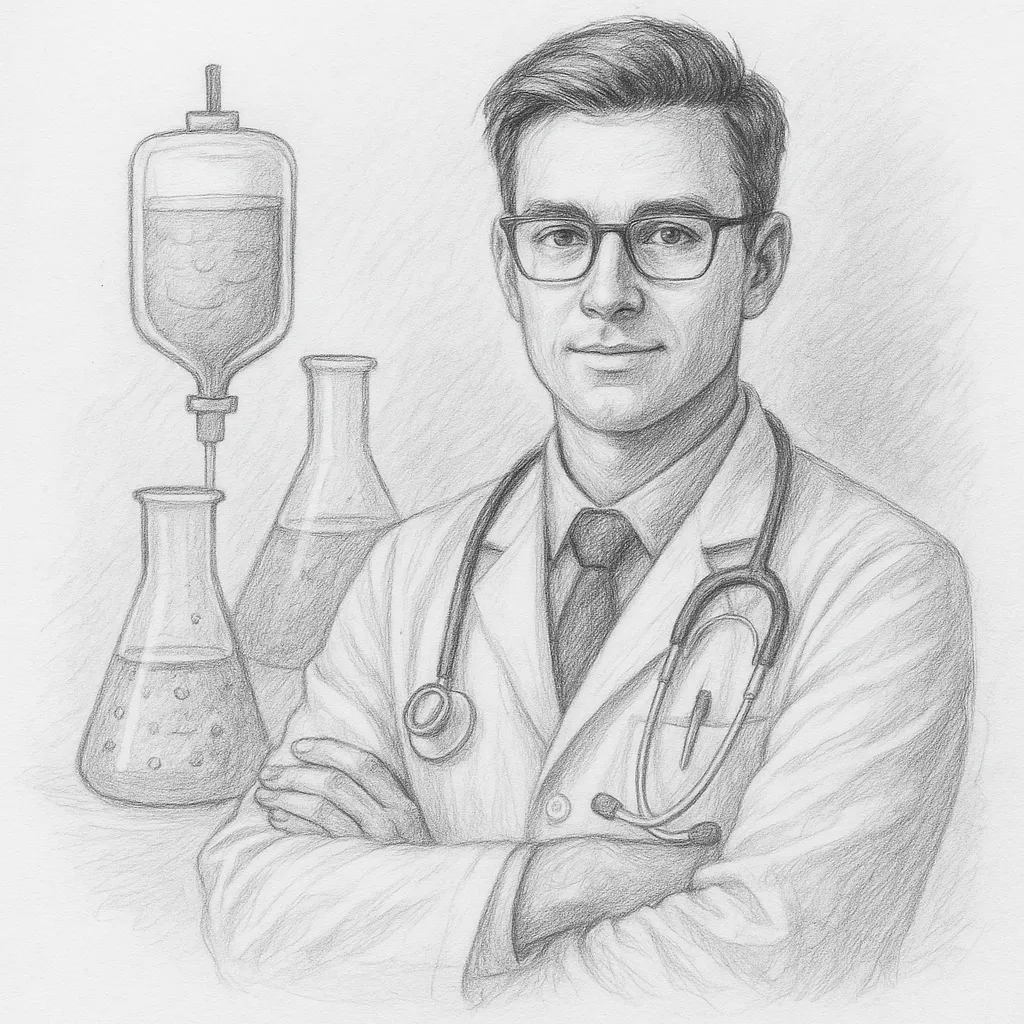
Chapter 6 of Aṣṭāṅga Saṅgraha is called Drava-Dravya-Vijñānīya Adhyāya, which literally means:
“The chapter that explains the science of liquids in the human body.”
This is Ayurveda’s early understanding of:
- fluid physiology
- hydration
- electrolyte balance
- digestive secretions
- tissue fluids
- plasma and lymph
- pathological fluid accumulation
In modern medicine, this chapter aligns with fluid balance, homeostasis, renal physiology, and internal medicine.
1. Why This Chapter Exists
Life depends on liquids — blood, plasma, lymph, digestive juices, synovial fluid, intracellular fluids, and more.
Ayurveda recognized that the body is a dynamic fluid system, and imbalance in fluids leads to immediate disease.
Just like modern physiology states:
- 60% of the human body = water
- fluid imbalance = shock, dehydration, edema, organ dysfunction
Ayurveda says the same, but in a holistic, functional manner.
2. What Are “Drava Dravya” in Ayurveda?
Ayurveda describes the main “liquid substances” of the body:
- Rasa (plasma, lymph)
- Rakta (blood)
- Lasikā (lymphatic fluid)
- Sveda (sweat)
- Majjā drava (marrow fluid)
- Mūtra (urine)
- Āma drava (toxic fluid from indigestion)
- Kleda (moisture of tissues)
- Ojas (subtle vitality fluid)
- Digestive and metabolic secretions
Modern equivalents include:
- extracellular fluid (ECF)
- intracellular fluid (ICF)
- plasma
- lymph
- CSF
- synovial fluid
- digestive enzymes
- hormones
- inflammatory fluids
Ayurveda explains fluid physiology in a functional, clinical way — not in a microscopic biochemical way.
3. The Role of Fluids in Maintaining Health
Ayurveda explains that fluids maintain life by:
- hydrating tissues
- nourishing cells
- transporting nutrients
- removing waste
- cooling the body
- lubricating joints
- maintaining elasticity
- keeping the skin healthy
- supporting immunity
Modern evidence confirms:
- hydration improves metabolism
- blood volume maintains circulation
- lymphatics maintain immunity
- CSF protects the brain
- synovial fluid protects joints
Fluids are the transport and defense system of the body.
4. Causes of Fluid Disturbance
Ayurveda outlines why fluids become imbalanced:
- wrong diet
- excessive salt
- excessive dryness
- dehydration
- excessive sweating
- digestive weakness
- excessive exercise
- alcohol
- emotional stress
- prolonged fasting
- sudden cooling or heating
- seasonal variation
- kidney or urinary disorders
Modern parallels include:
- electrolyte imbalance
- dehydration
- overhydration
- renal dysfunction
- GI losses (vomiting, diarrhea)
- inflammation
- heart failure related edema
- endocrine disorders
The causes described are identical to current pathophysiology.
5. Diseases Caused by Fluid Imbalance
Ayurveda lists conditions arising from disturbed fluids:
- dehydration
- fatigue
- fainting
- excessive thirst
- dryness of skin
- edema
- ascites
- joint dryness
- reduced digestive strength
- urinary issues
- inflammatory swelling
Modern medicine recognises:
- hyponatremia / hypernatremia
- dehydration-related collapse
- edema from cardiac, hepatic, or renal causes
- inflammatory exudates
- dehydration-induced constipation
- orthostatic hypotension
Ayurveda’s clinical signs match modern clinical findings.
6. Strengthening Body Fluids
This chapter gives guidelines to maintain healthy fluids:
Diet
- warm, nourishing food
- ghee and healthy fats
- hydrating fruits
- soups and broths
- adequate salt but not excess
- avoiding junk and dry foods
Lifestyle
- avoiding excessive heat
- maintaining hydration
- avoiding alcohol
- balancing exercise
- protecting from wind & dry climate
Mental State
Ayurveda notes that mental stress dries up the body, increasing Vāta.
Modern science agrees:
- cortisol reduces hydration
- chronic stress alters electrolyte balance
- stress increases inflammation
Mind and body share the same fluid resources.
7. The Concept of Ojas — The Finest Fluid
Ojas is described as:
- the essence of all tissues
- the core immunity fluid
- the determinant of vitality, strength, and longevity
Modern parallels:
- immunoglobulins
- hormones
- cytokine balance
- high-functioning metabolism
- emotional resilience
- neuroendocrine balance
When Ojas is healthy:
- immunity is strong
- mood is stable
- digestion is strong
- sleep is deep
- skin glows
This is Ayurveda’s holistic version of optimal wellness and immunity.
8. Moisture (Kleda) and Fluid Regulation
The chapter explains Kleda, meaning moisture within tissues.
When Kleda increases:
- heaviness
- swelling
- lethargy
- diabetes-like symptoms (Prameha)
- edema
When Kleda decreases:
- dryness
- thirst
- cracking joints
- constipation
- insomnia
Modern medicine identifies similar parallels:
- dehydration
- edema
- metabolic syndrome
- hyperosmolar states
- inflammatory conditions
Water balance = health balance.
9. The Interaction of Doṣas with Fluids
Ayurveda explains:
Vāta dries the fluids.
Pitta heats, transforms, or reduces fluids.
Kapha increases fluid volume and viscosity.
Modern equivalents:
- Vāta → sympathetic overdrive, dehydration
- Pitta → inflammation, acid-base disturbances
- Kapha → fluid retention, edema, congestion
This is Ayurveda’s systems-biology interpretation of fluid imbalance.
10. Summary: The Wisdom of Drava-Dravya
Chapter 6 teaches that:
- water is life
- fluid imbalance is behind many diseases
- digestion controls fluid production
- mind influences hydration
- seasonal changes affect body moisture
- proper diet and lifestyle keep fluids healthy
In modern terms:
This chapter is a complete guide to human fluid physiology — written 3000 years before modern medicine.
Conclusion
The Drava-Dravya-Vijñānīya Adhyāya is not ancient poetry —
it is a clinically relevant, practical guide to understanding hydration, circulation, immunity, and metabolism.
It teaches that:
- balanced fluids protect life
- digestion creates healthy fluids
- stress drains the body
- seasons impact hydration
- lifestyle maintains balance
For modern doctors, this chapter is a reminder that:
“Hydration, digestion, mental calm, and seasonal adaptation form the foundation of preventive medicine.”
Keywords