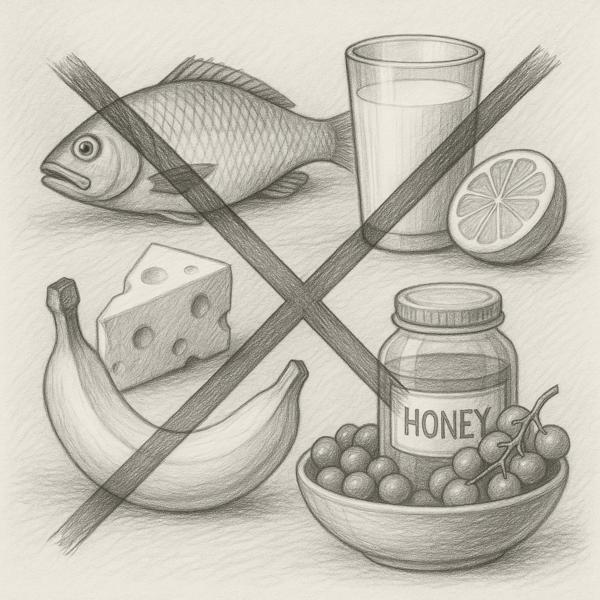

Chapter 4 of Aṣṭāṅga Saṅgraha introduces Ritucharyā — the art of adjusting lifestyle according to seasonal changes.
If Dinacharyā (daily routine) protects us from everyday stress,
Ritucharyā protects us from seasonal stress that affects immunity, metabolism, mood, and overall health.
In modern medical language, Ritucharyā =
Preventive lifestyle medicine + chronobiology + environmental physiology.
1. Why Seasonal Routine Matters
Seasons change temperature, daylight exposure, humidity, allergens, and even our hormones.
Modern research shows that seasonal changes affect:
- immunity
- appetite
- mood
- inflammation levels
- gut microbiome
- vitamin levels
- sleep quality
Ayurveda recognized this thousands of years ago and designed Ritucharyā to keep the body balanced throughout the year.
2. The Three Seasonal Cycles in Ayurveda
Ayurveda divides the year into two major halves:
A. Northern Solstice (Ādāna Kāla)
The sun becomes stronger and gradually dries and weakens the body.
Seasons:
- Śiśira (late winter)
- Vasanta (spring)
- Grīṣma (summer)
- Energy: The body becomes lighter, dehydrated, and more vulnerable.
B. Southern Solstice (Visarga Kāla)
The moon’s cooling influence is stronger and the body regains strength.
Seasons:
- Varṣā (monsoon)
- Śarad (autumn)
- Hemanta (early winter)
- Energy: Body regains stability, strength, appetite.
This classification aligns closely with modern environmental physiology:
- sunlight intensity
- temperature load
- hydration needs
- seasonal metabolic shifts
3. Season-by-Season Routine (Simple & Modern)
Below is a doctor-friendly breakdown of each season with practical lifestyle guidance.
I. Śiśira – Late Winter
The environment is cold, dry, heavy.
Recommended:
- warm, nourishing foods
- ghee, soups, healthy fats
- warm oil massage
- regular exercise
- staying warm
Avoid:
- cold drinks
- fasting
- excessive exposure to cold
Modern parallels:
- increased metabolism due to cold
- need for calorie-dense food
- dry skin requiring moisturization
- higher risk of respiratory infections
II. Vasanta – Spring
Kapha accumulates — heaviness, allergies, congestion.
Recommended:
- light food
- honey
- spices (drying, warming)
- cardio exercise
- steam inhalation
Avoid:
- heavy, oily foods
- daytime sleeping
Modern parallels:
- allergy season
- sinus issues
- seasonal lethargy
- need for detoxifying diet
III. Grīṣma – Summer
Heat is at its peak — body becomes dry, dehydrated, fatigued.
Recommended:
- cool, hydrating foods
- coconut water
- milk, ghee
- light meals
- staying indoors during peak sun
Avoid:
- alcohol
- spicy foods
- intense exercise
Modern scientific match:
- heat stroke prevention
- hydration guidelines
- electrolyte care
- sun protection
- reduced workout intensity
IV. Varṣā – Monsoon
Digestive fire becomes weak — higher infection risk.
Recommended:
- warm, easily digestible food
- medicated water (boiled + spices)
- avoiding raw salads
- wearing dry clothes
Avoid:
- roadside food
- heavy food
- cold water
Modern parallels:
- GI infections
- water contamination
- reduced digestive strength
- need for hygiene
V. Śarad – Autumn
Pitta rises — acidity, skin irritation, heat symptoms.
Recommended:
- cooling diet
- ghee
- sweet fruits
- moonlight exposure
- swimming
Avoid:
- hot spices
- fried food
- excessive sun
Modern validation:
- inflammatory flare-ups
- skin conditions worsening
- higher acidity due to heat
- importance of cooling foods
VI. Hemanta – Early Winter
Strong appetite, strong immunity.
Recommended:
- rich foods
- dairy
- nuts
- oils
- rigorous exercise
- oil massage
Avoid:
- skipping meals
- cold bath
- fasting
Modern science:
- body burns more calories in winter
- appetite increases
- strength training becomes easier
- dry skin needs lipid support
4. The Core Message of Ritucharyā
Ayurveda teaches one powerful principle:
“Adapt your lifestyle as nature changes.”
Today we know that:
- mood disorders peak in winter
- infections peak in monsoon
- dehydration peaks in summer
- allergies peak in spring
Ritucharyā is essentially an ancient seasonal health protocol.
5. Why This Chapter Matters for Modern Doctors
Ritucharyā gives insights into:
- seasonal immunity
- environmental physiology
- nutrition adjustments
- exercise modification
- infection prevention
- metabolic variation
- mood & hormone changes
In simple terms:
This chapter is a ready-made blueprint for seasonal preventive medicine.
Conclusion
Chapter 4 shows that good health is not static —
it changes with season, climate, and environment.
Ritucharyā teaches us to:
- eat according to weather
- sleep according to daylight
- exercise according to energy
- protect digestion
- maintain immunity
- live in harmony with nature
For modern medical professionals, this chapter offers a practical guide to year-round wellness based on physiology, environment, and behaviour.
It is ancient wisdom that fits perfectly with modern science.
Keywords